Human Resources
Empowering Aspirations of Our People
The Bank’s people strategy in FY 2025-26 continued to evolve alongside its expanding business footprint, increasing customer complexity, and growing digital integration. The focus remained on cultivating a highly engaged workforce, scaled to support organisational growth and aligned with evolving capability requirements in secured lending, digital banking and customer-centric operations. The Bank’s efforts were further recognised with a ranking as India’s 26th ‘Best Place to Work’ by the Great Place to Work Institute.

AttractingandRetainingQualitytalent
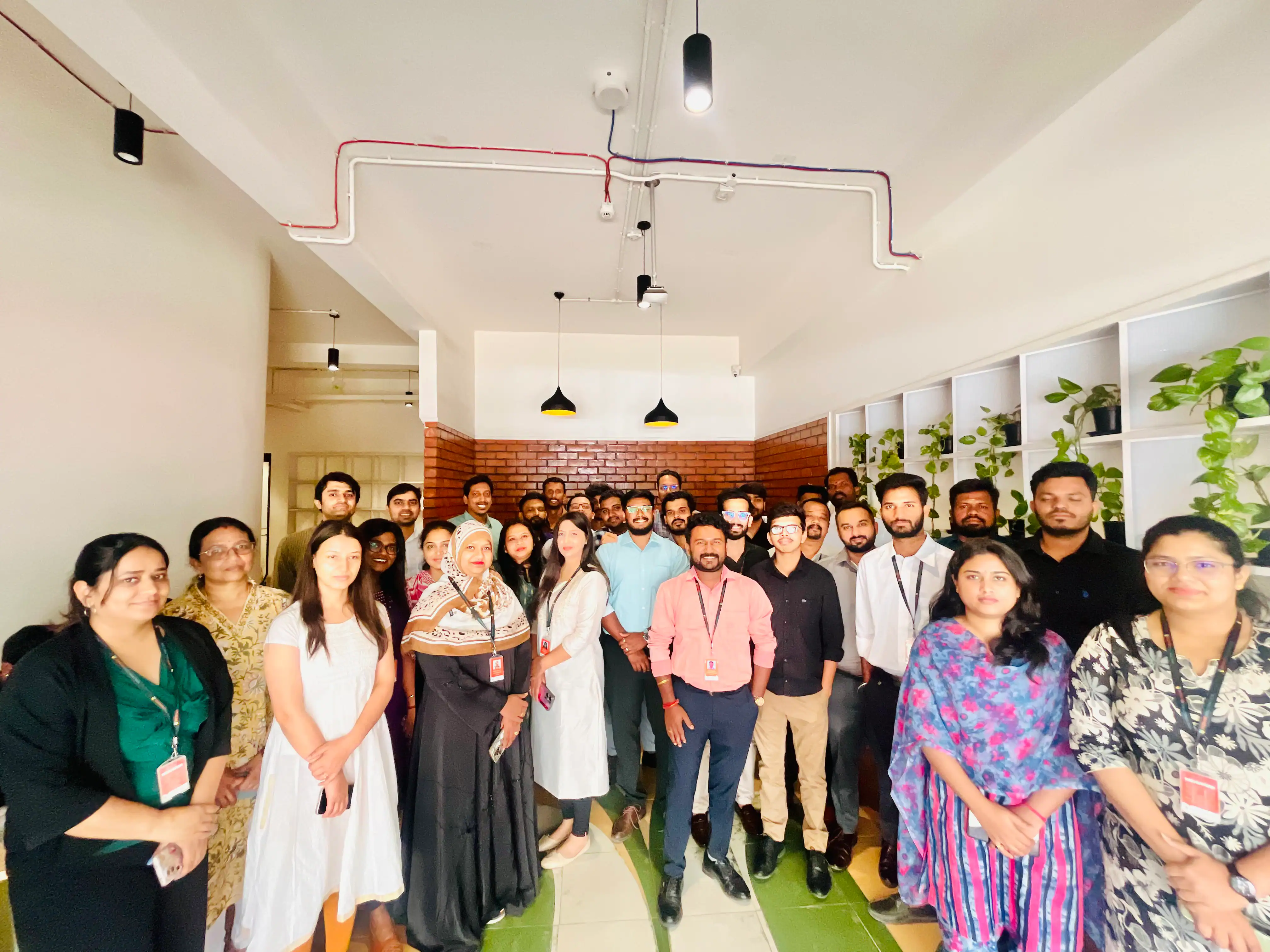
Ujjivan SFB’s commitment to attracting and retaining quality talent remained the cornerstone to its people strategy in FY 2025-26. The year’s focus was on achieving higher productivity benchmarks and optimising span of control throughout the organisation. Right-sizing and efficiency measures were implemented, resulting in disciplined workforce expansion and increased outputs. Total headcount grew to over 26,500 employees, supported by the onboarding of more than 2,100 incremental hires.
Workforce strength
Employee Attrition
Infant Attrition
*Attrition Data is for voluntary attrition in the Bank
Hiring was strategically aligned to business priorities, with emphasis on Branch Banking, Housing Loans, Micro Mortgages, Micro Banking, Gold Loans, and various Credit and Collection roles, ensuring talent deployment supported growth engines. Targeted hiring also strengthened the Data Science and Decision Making teams.
Workforce stability improved, reflected in a joining ratio exceeding 83% and lowest ever drop-out with less than 17%, addressing a significant industry challenge. The organisation saw a lower voluntary infant attrition below 3.5% due to structured success profile hiring, early-stage employee engagement, and enhanced supervisory training. Overall voluntary attrition moderated to 18.6%, one of the best in the banking industry, indicating improved alignment between role expectations and employee fit.
Workforce expansion underscored the Bank’s inclusionled approach, with 54% of hires from Tier 4 locations, strengthening local capabilities and enabling greater penetration in underbanked markets.
AdvancingLearningandCapabilityDevelopment
Capacity building is about strengthening employee’s skills, knowledge, and adaptability to meet evolving industry demands. In today’s dynamic financial landscape, the Bank needs talents who are agile, tech-savvy, and capable of driving innovation while maintaining trust and compliance. In lines with the same, Ujjivan SFB prioritised capacity building, to strengthen the institution, and cultivate a culture of continuous learning and innovation that fuels sustainable growth.
The Bank’s digital learning ecosystem continued to expand, with 99% active Learning Management System (LMS) usage and the launch of 39 e-learning courses during the year, alongside structured learning pathways aligned to evolving business needs.
Employees Trained (non-unique)
Average learning hours per employee
Unique training programmes were delivered
Average Learning Hours per employee (Global Learning Platforms)
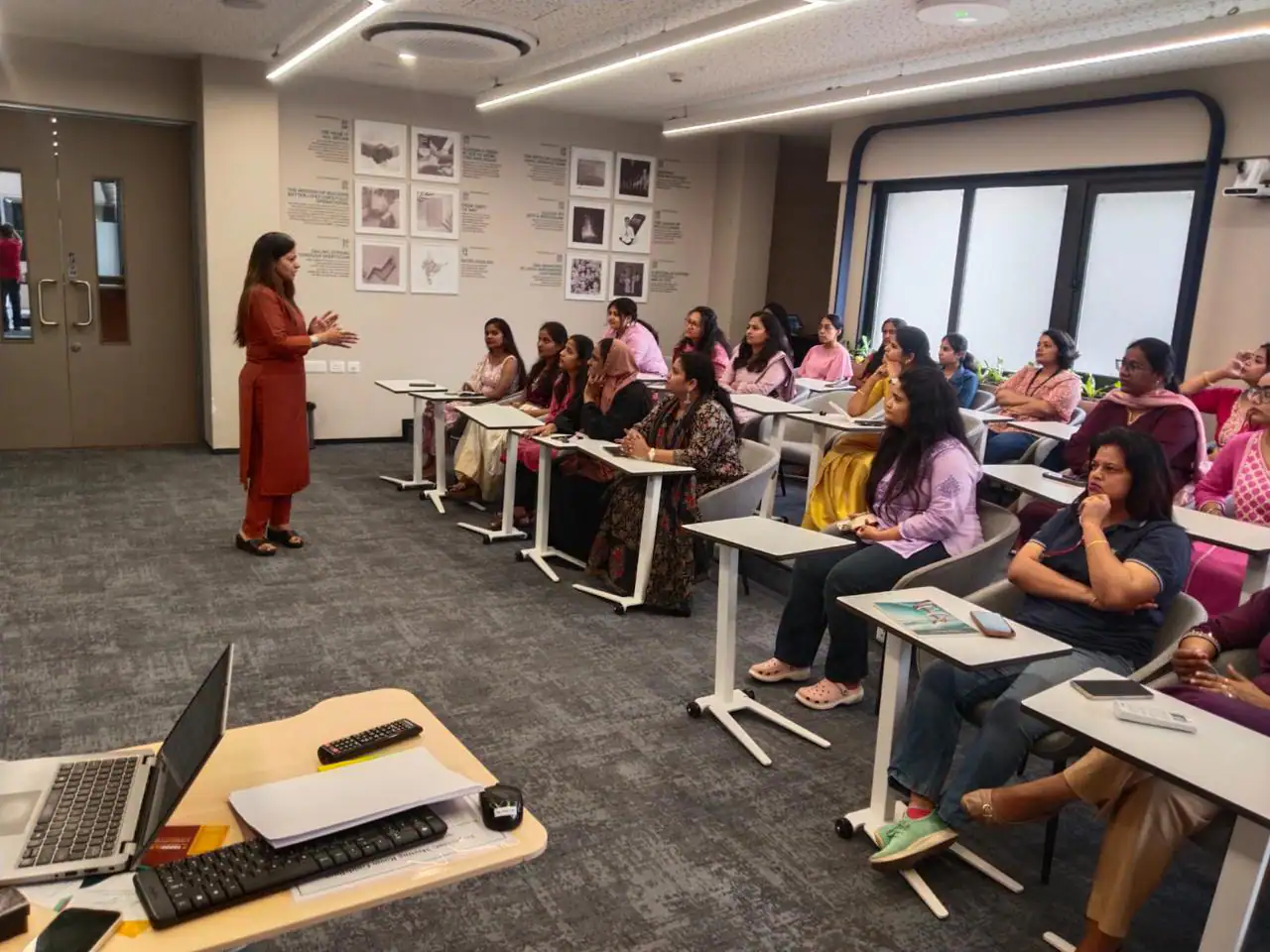
Structured programmes such as Pulse (Customer Service), Compliance Trainings, Prarambh, LIFT, UPLIFT (supervisory and advanced management skills), FOREX and EDGE Skill building (the Bank’s Hi-potential programme) further strengthened managerial and leadership capabilities, supported by mentoring, coaching and Individual Development Plans, reinforcing the Bank’s commitment to talent development.
Technical capability building was strengthened through hands-on training across core systems such as Finacle, CRMNext, BR.Net and Tableau, enabling greater operational effectiveness. This was further supported by access to external platforms like Harvard Manage Mentor and LinkedIn Learning, resulting in over 9,800 learning hours completed. Additionally, the structured Learning Grant programme supported selfinitiated learning paths for employees, reinforcing a culture of continuous development.
Certification-led capability building included significant internal certifications and external certifications, reinforcing technical depth and role readiness across functions. The introduction of the Advanced Management Programme, in association with IIBF and IIM-C, further supported the development of the Bank’s managerial cohorts.
In Talent Management, the Bank implemented a dual-pronged approach. One was to identify and retain high-potential employees and create succession pipeline through programmes like EDGE (High Potential programme). Simultaneously, focused handholding initiatives like PACE and Rise and Shine supported under-performing employees, resulting in significant productivity improvements within this group. Promotion and career progression frameworks were also strengthened, with above 8% of the workforce progressing through internal promotions, Internal Job Postings and career development programmes-- reinforcing internal mobility and retention efforts.
Diversity,EquityandInclusion(DEI)
Diversity, equity and inclusion were embedded within the Bank’s people framework, with a focus on improving representation, ensuring equitable practices and enabling participation across all roles. The Bank adopted a structured approach with measurable outcomes, ensuring consistent application of DEI principles throughout the employee lifecycle.
During FY 2025-26, the Bank hired more than 1,900 women, bringing overall female representation to 19.68%. Women comprised 20% of top management roles reporting to the Managing Director, and Board-level representation stood at 56%, reflecting progress in leadership diversity. The Bank also advanced inclusion through dedicated hiring programmes for Persons With Disabilities (PWD) and by promoting generational diversity across the organisation.
Women Representation
Women in Top Management Roles
Women in Board Positions
Age Diversity
Gender Inclusion was promoted through targeted programmes such as UNPAUSE and WISE, which offered return-ship opportunities and supported leadership readiness for women employees. These initiatives were aligned with structured promotion frameworks, role-based assessments, and pay benchmarking practices to ensure consistency and fairness in career progression.
Workplace practices were aligned to support inclusion in an operational and consistent manner.
Key elements include:
Family support policies,
including maternity benefits, menstrual support, creche facilities and better than market insurance coverage
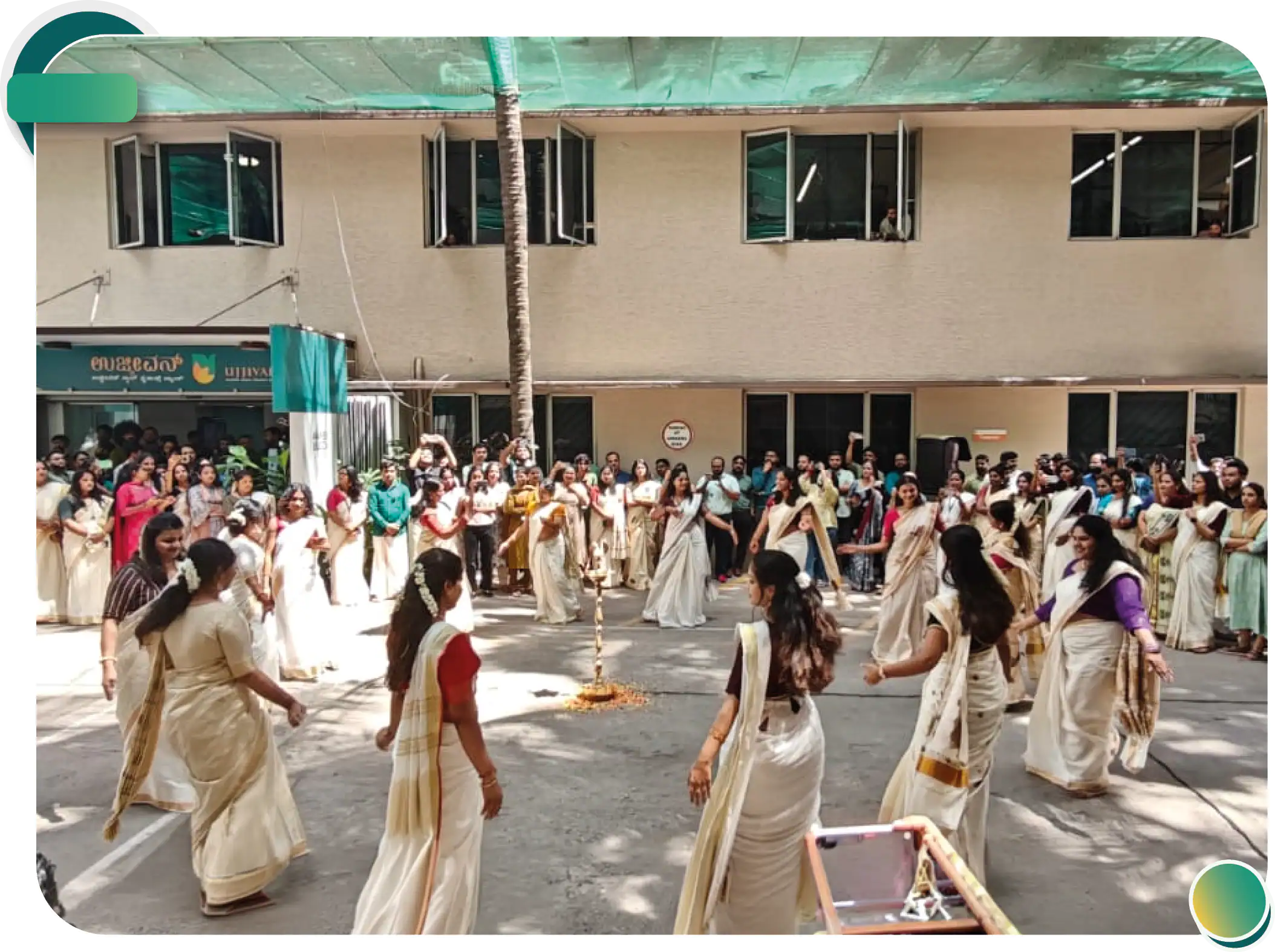
Employee engagement initiatives,
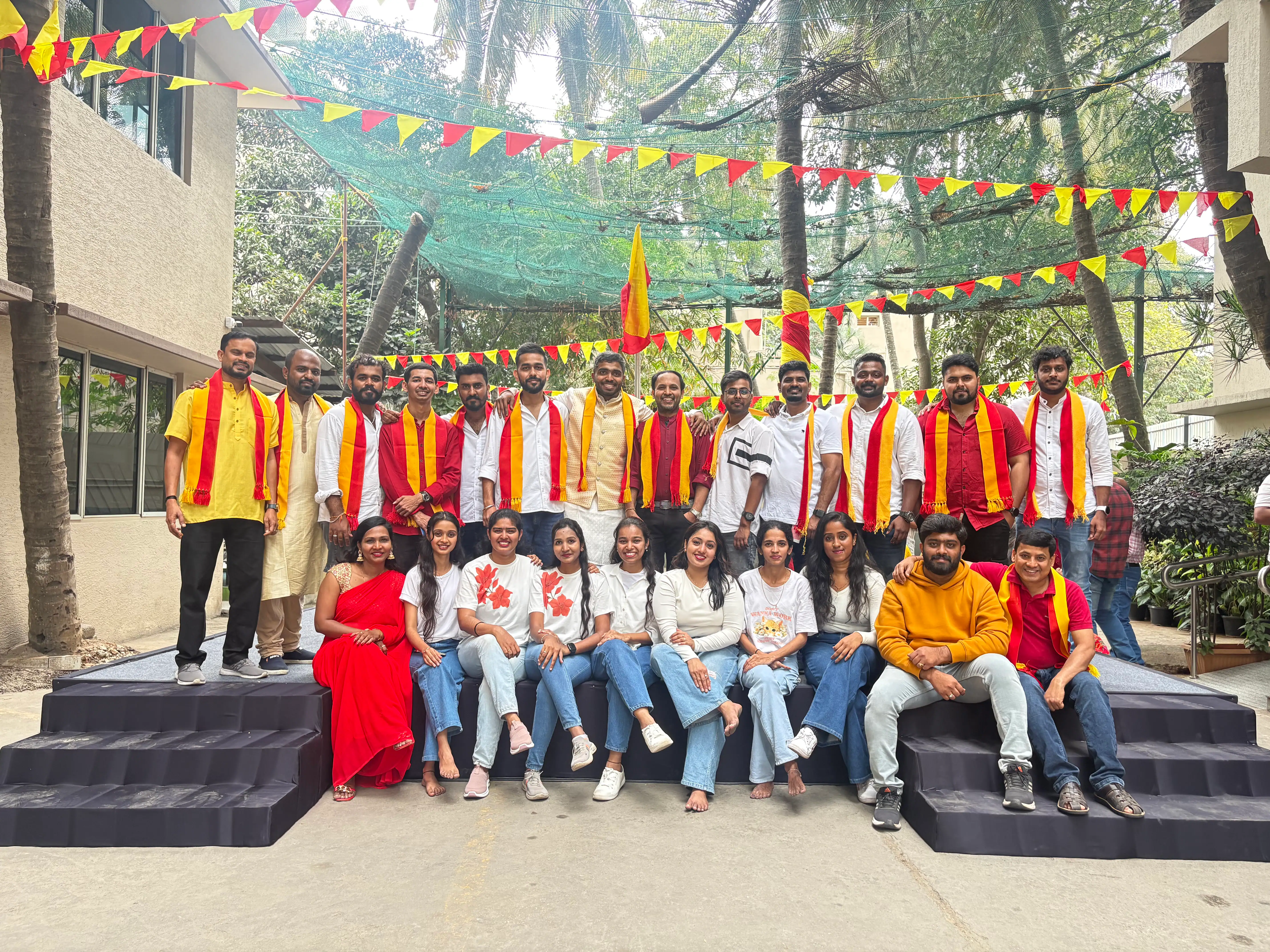
reflecting cultural, regional and linguistic diversity
Accessible learning formats,
including vernacular and audiobased modules
POSH training and governance,
supported by structured grievance redressal mechanisms

The Bank continues to strengthen workplace safety and employee participation through targeted interventions, including safety awareness initiatives. This approach is supported by continuous feedback and internal monitoring. These efforts are reflected in consistently strong Trust Index scores across employee groups, indicating a workplace environment anchored in fairness and inclusion.
EnhancingEmployeeExperienceandEngagement
Employee experience at the Bank is managed through a lifecycle-based approach, integrating onboarding, performance management, engagement, and recognition to ensure consistency across all. This approach enables the Bank to be responsive to employee needs at every stage of their journey. During the year, the Bank strengthened its listening architecture to enable continuous feedback collection and structured response mechanisms. Multiple platforms were leveraged to institutionalise two-way communication and improve visibility of employee concerns and expectations.
Key listening and communication mechanisms include:
Employee Connect AI Chatbot,
enabling real-time sentiment capture and analytics
HEAR4U platform,
supporting structured grievance and feedback resolution
Branch Representative Meetings and leadership townhalls,
facilitating direct interaction between employees and leadership
Digital communication channels,
including WhatsApp and Vibe platforms, improving real-time engagement and information flow
Recognition and engagement frameworks were further expanded to reinforce performance, behaviour and cultural alignment across the organisation. These initiatives are designed to acknowledge contributions consistently while strengthening employee connect with the organisation.
Key recognition and engagement initiatives include:
Launch of a Rewards and recognition platform
Service Excellence Awards and Aajeevan Awards,
recognising performance and service contributions
#IAmUjjivan campaigns,
milestone celebrations and internal engagement programmes,
reinforcing organisational culture and employee identity
Digital enablement continued to play a central role in improving employee experience. HRMS-driven processes supported real-time execution of hiring, onboarding, and employee services, resulting in improved turnaround times and operational efficiency. These enhancements contributed to a 99% grievance resolution rate, underscoring improved responsiveness and service delivery across employee interactions.
Employee grievance resolution rate
Employee Satisfaction Score
Employee Net Promoter Score
GPTW Trust Index Score 2025
StrengtheningWell-beingandCareFrameworks
In the banking industry, employee well-being remains of utmost importance and at Ujjivan SFB, it is addressed through an integrated framework encompassing physical, mental and financial health. The Bank’s approach combines comprehensive coverage with targeted interventions, ensuring that employee care is both accessible and responsive.
During the year, health insurance coverage was extended to over 26,500 employees and more than 1,00,000 dependents, covering a broad range of needs including maternity, IVF, parental health, dental and mental health support. This ensures continuity of care and financial protection for employees and their families. Well-being initiatives were strengthened through well-designed programmes and services aimed at improving awareness, accessibility and participation like:
24/7 teleconsultation and counselling support, enabling timely medical and mental health assistance
55 wellness awareness sessions covering physical health, safety awareness and financial well-being
Work-life balance measures, by tracking extended working hours by leadership, providing flexibility through work from home policies, and ensuring operational support in all of this.
In addition, the Bank continued to expand its care framework through targeted interventions addressing specific employee needs. These include women’s safety measures, road safety campaigns, and policy-led support such as sabbatical provisions, adoption leave and work from home programmes, reinforcing a comprehensive and inclusive approach to employee well-being. The overall framework is supported by ongoing monitoring and feedback mechanisms, enabling continuous refinement of well-being initiatives and ensuring alignment with evolving employee requirements.


DrivingHRTransformationThroughTechnologyandGovernance
The Bank continued transforming its HR process and operations into a technology-enabled, governance-driven function through the adoption of automation, analytics and integrated platforms. A comprehensive HR automation ecosystem was established using digitised HRMS, Learning Management System (LMS), RPA bots and Tableau dashboards, enabling end-to-end digitisation and process standardisation across employee lifecycle processes.
This enabled:
Automation of over 84 HR processes/workflows across onboarding, separation and approvals.
Reduced manual effort by 60–70%, resulting in significant improvements in turnaround times.
Enabled real-time monitoring of workforce metrics through integrated dashboards.
Workflow automation across hiring, payroll, profile updates and separation processes improved accuracy, reduced manual intervention and strengthened audit trails.