Sustainability
Creating Value with Responsibility
Over the past year, the Bank’s sustainability journey has been shaped by purpose, resilience and a continued commitment to responsible growth. What began as a series of focused initiatives has evolved into a more integrated approach, where sustainability is no longer a parallel effort but an intrinsic part of how the Bank operates and creates value. This progression reflects the collective effort across the organisation, guided by a shared intent to balance performance with impact.
Advancing ESG priorities, strengthening stakeholder trust and embedding sustainability into operational and strategic processes remain central to this approach. Each step reinforces the belief that meaningful change is built over time through consistency, collaboration and clarity of intent.
The Bank aligns its sustainability initiatives with 14 of the 17 United Nations Sustainable Development Goals integrating these into its business operations, product design and stakeholder engagement.
Outstanding rating by ICRA
Strong rating by CRISIL
ESG Risk Rating by Sustainalytics
ESGStrategy
The Bank’s ESG framework is built on the insights from a materiality assessment that identified 22 material issues across seven key pillars, with defined goals and targets aligned to 2030. Key priorities include:
- Achieving 20% reduction in power consumption and certifying 10% of office spaces as green buildings
- Maintaining highest standards of data security and governance, with an objective of zero breaches
- Reaching top quartile in customer satisfaction scores
- Developing green finance products
- Bringing 1 Crores customers into digital banking, targeting 100 Crores transactions
ESGDashboard
The Bank monitors sustainability performance through a structured ESG dashboard, enabling consistent tracking across environmental, social and governance indicators.

Total electricity consumption
Scope 2 Emissions
Waste intensity per Rupee Turnover
Total fuel consumption
Paper savings on intensity from FY 23
E-waste sent to authorised recyclers
Energy consumption through renewable sources
Emission (Scope 1 and Scope 2) intensity per Rupee Turnover
Scope 3 Emissions intensity per Crores turnover
Scope 1 Emissions
Water intensity

Number of CSR projects
New hires (of which 1,983 (20%) are women)
Diversity ratio
Total CSR beneficiaries (including over 3.45 Lakhs women)
Volunteering engagement hours
by Great Place to Work Institute
Beneficiaries through financial literacy programmes
Average training hours

Gender Diversity in Board
Average Years of experience of the Board
Sustenance Certification
Board Independence
Corruption / Bribery issues
on POSH, Code of Conduct, Whistle Blower, Human Rights, Occupational Health and Safety (OHS), Anti-Money Laundering (AML), Diversity, Equity, and Inclusion (DE&I) etc.
EnvironmentalSustainability
The Bank’s environmental strategy is anchored in its commitment to responsible growth, recognising that long-term value creation is intrinsically linked to the preservation of natural resources. As environmental risks continue to evolve, sustainability considerations are being embedded into both operational and strategic decision-making, enabling a shift from compliance-led practices to a more proactive and integrated approach.
The Bank’s focus is on optimising resource efficiency, reducing environmental impact and strengthening resilience across its footprint. This is being pursued through targeted interventions in energy management, water stewardship, efficient waste management and infrastructure planning, supported by governance mechanisms, monitoring frameworks and stakeholder engagement.
A key element of this approach is the gradual integration of environmental considerations across the value chain. Through scheduled engagement with vendor partners, and CSR implementation partners, the Bank is fostering shared responsibility towards sustainability, extending its impact beyond its immediate operations.
Energy Management and Resource Efficiency
Energy conservation remains a central focus area, supported by structured initiatives and operational interventions.
- The Sanchaya programme continued to drive energy conservation across offices, resulting in a 5% reduction in energy consumption across Corporate and Regional Offices compared to FY 2024–25
- The Bank expanded its resource-efficiency initiatives to include reduction in water and paper consumption through installation of aerators across Regional and Corporate Offices (Phase 1) and ongoing digitalisation efforts
- Resource conservation initiatives implemented through CSR programmes included lake and pond rejuvenation, tree plantation and installation of solar street lights across communities
These initiatives are supported by ongoing digital transformation efforts, enabling reduction in resource consumption while improving operational efficiency.
Renewable Energy Integration
The Bank has initiated renewable energy adoption as part of its long-term sustainability roadmap.
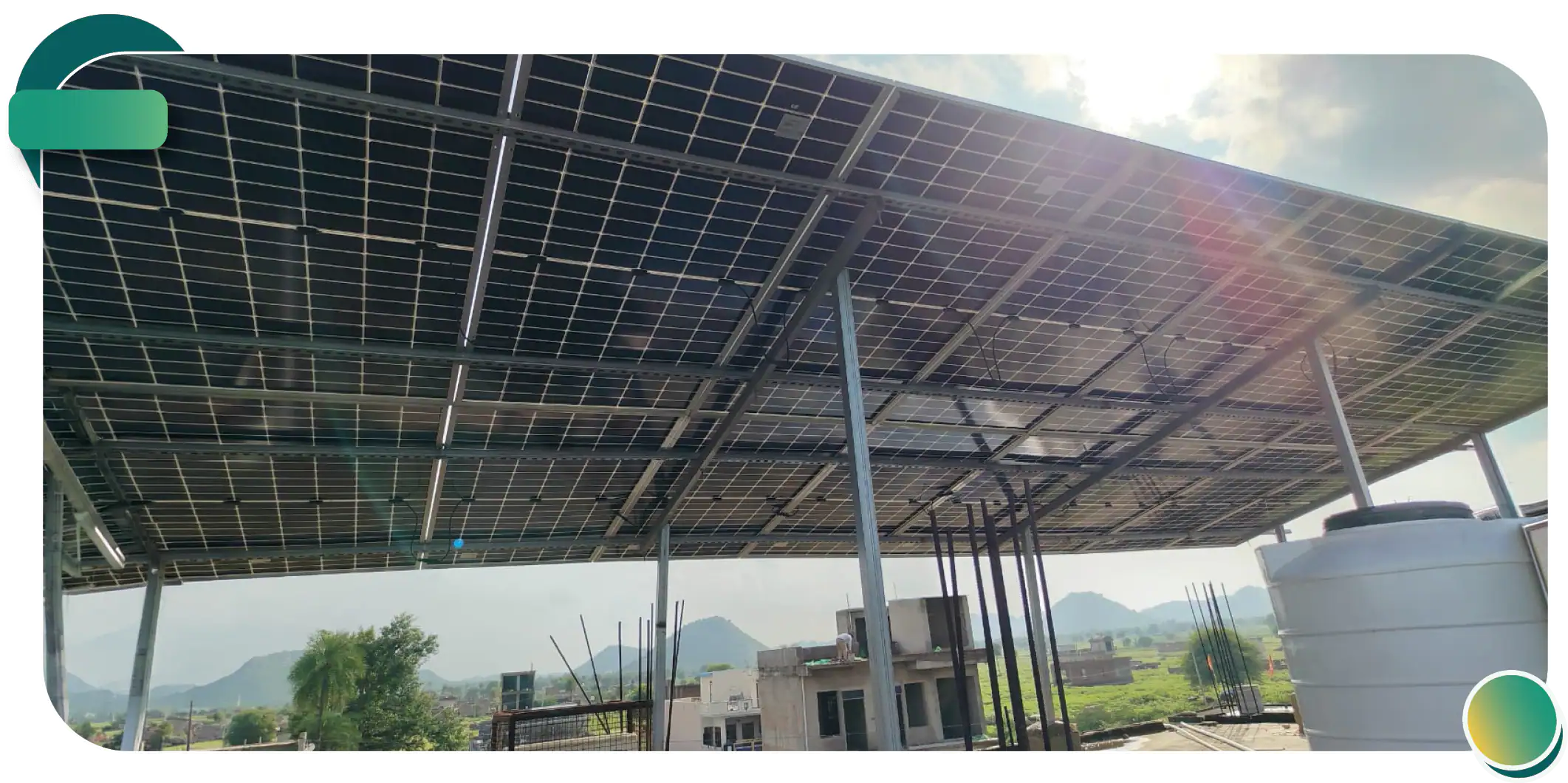
- Commissioned a 10-kW rooftop solar installation at Shampura, Jaipur
- Generated surplus energy with approximately 800 kWh exported to the grid
- Focus on identifying new branch locations with solar feasibility
- Integration of rainwater harvesting and water recycling systems in future infrastructure, wherever feasible
Water Stewardship and Sustainable Infrastructure
Water conservation measures have been implemented through infrastructure upgrades and usage optimisation.
- Aerators installed across all taps in corporate and regional offices
- Achieved 50–60% reduction in water flow
- Planned phased expansion of aerators across branch network
- Sensor-based taps integrated into newly renovated office facilities
These interventions are complemented by a broader focus on sustainable infrastructure, including incorporation of water-efficient systems in future facilities.
Waste Management and Circular Practices
Waste management practices have been standardised to ensure responsible segregation at source, disposal and reduction of waste across operations.
- Segregation of wet, dry and e-waste across corporate and regional offices
- Disposal mechanism for sanitary waste
- Disposal through authorised recyclers with compliance certifications
- Implementation of event management guidelines restricting use of unsustainable materials
- Mandatory approvals for exceptions through the Sustainable Banking team
- Elimination of single-use plastics across Bank premises
E-Waste Management
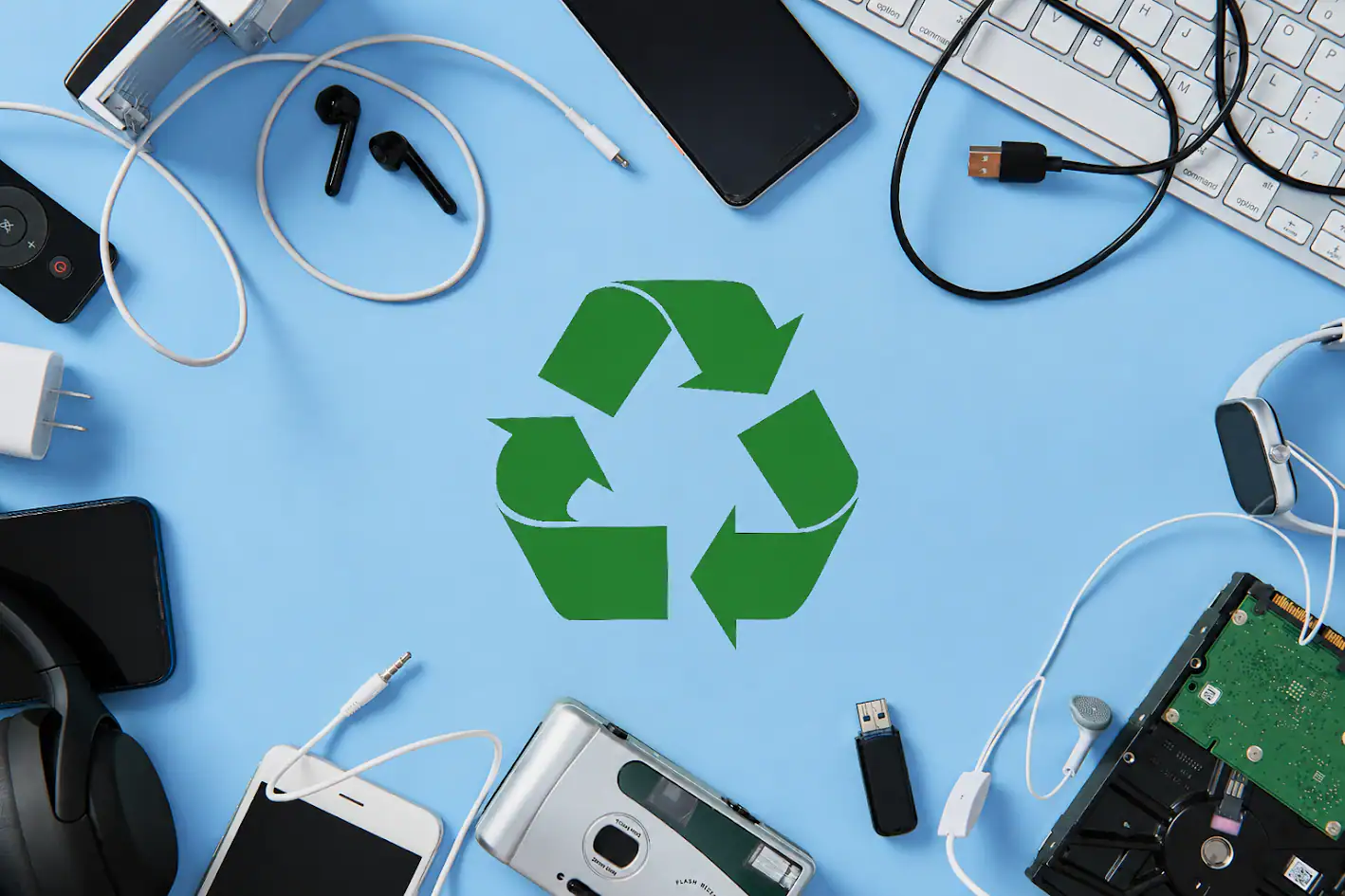
The Bank follows structured processes for e-waste management to ensure compliance and responsible disposal.
- E-waste disposed through authorised recyclers
- Reuse practices adopted where feasible
- Monitoring through infrastructure and sustainability teams
Bio-DiversityConservation
The Bank is undertaking an assessment of branch locations to identify their proximity to legally designated forest areas, protected areas, eco-sensitive zones and wildlife corridors. In parallel, biodiversity conservation is being evaluated as a focus area under the CSR programme.
During the reported financial year, the Bank supported Kaziranga National Park through the provision of a surgical table to strengthen wildlife care and conservation efforts. In addition, an environmentally focused biodiversity conservation project is under consideration for implementation during FY 2026–27.
Stakeholder-ledEnvironmentalIntegration
The Bank is extending its environmental approach across its stakeholder ecosystem by actively engaging vendor partners through ESG awareness sessions and providing guidance on the adoption of sustainable practices. CSR implementation partners have been sensitised to integrate sustainability into project design and delivery, while infrastructure partners are encouraged to adopt resource-efficient construction practices and ensure responsible waste disposal. Aligned with the United Nations Sustainable Development Goals (UN SDGs), these efforts promote a collaborative approach that enables the Bank to drive sustainability outcomes beyond its direct operations.
IntegratingSustainabilityintotheProductPortfolio
The Bank is progressively embedding sustainability into its product offerings, enabling environmentally responsible and socially impactful outcomes. A Green Finance and Green Deposit ecosystem is under development through a dedicated working group, aimed at mobilising funds and deploying them towards green assets.
- Electric Vehicle financing
- GRIHA-certified affordable housing (pilot: 50 houses; expansion to 500 by FY 2027)
- Agriculture-linked financing for drip irrigation and solar pumps


WATSAN Sustainability Loan
The Bank continues to expand its impact through the WATSAN (Water & Sanitation) loan programme.
Loans disbursed thus far
Beneficiaries impacted
Impact outcomes include improved sanitation access, better health conditions, increased income-generating opportunities and enhanced dignity for women. The programme has contributed to an average increase in income of ₹11,379 per month.