What Is OTP? Meaning, How It Works and Essential Safety Tips
Disclaimer: This article is for general information/education and is not investment advice. The information is shared in good faith and for general informational purposes only. Ujjivan SFB does not make any representations or warranties regarding the accuracy, completeness, or reliability of the content.
August 10, 2026
Explore Our Products
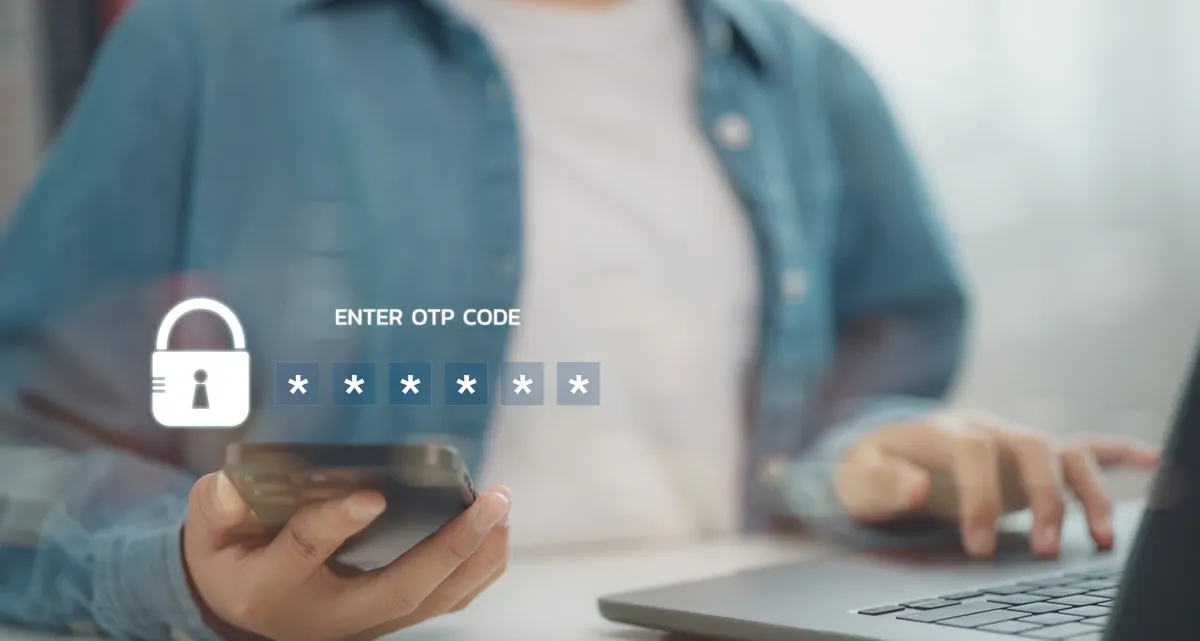
Ever made an online payment and had to type in a 6- or 4-digit code before it went through? That code is an OTP, and it's one of the quiet reasons your money stays safer online. But what is OTP, exactly, and why does something so small matter so much? Understanding OTP meaning and using it safely can help you avoid common digital payment frauds.
What is an OTP?
OTP full form is "One-Time Password." It's a unique code, usually of 4 to 6 digits, generated for a single login, verification attempt, or transaction. Once used, it typically cannot be reused, and it usually expires after a short window.







In simple terms: an OTP proves that the person carrying out the transaction is really you, at that exact moment.
How Does OTP Work?
Here's how OTP works, step by step:
The exact validity period and delivery method can vary from one service provider to another, so always check the message for specific details.
Where are OTPs Commonly Used?
Types of OTPs
Each type serves the same purpose — confirming it's really you — but differs in how the code reaches you.
OTP vs Password
| Aspect | OTP | Password |
|---|---|---|
| Purpose | Verifies a specific action or transaction | Verifies your identity to access an account |
| Validity | Temporary; expires quickly | Remains valid until changed |
| Reuse | Generally single-use | Can be reused across sessions |
| Security Role | Adds a second layer of verification | Primary access credential |
An OTP adds an extra layer of verification on top of your password — it doesn't replace the need for a strong, unique password, unless a service specifically offers password-less authentication.
Essential OTP Safety Tips
Keeping your OTP safe is one of the simplest ways to protect your money online:
What Should You Do If You Accidentally Share an OTP?
If you've shared an OTP by mistake, act quickly:
Common OTP Scams
Being aware of common OTP fraud tactics can help you spot trouble early:
The common thread across all these scams: someone tries to create urgency or fear to get you to share your OTP.
Final Thoughts
So, what is OTP in one line? It's a one-time password that confirms it's really you behind a login or transaction. It adds an important layer of security, but it works only if you keep it to yourself. Remember: never share or approve an OTP unless you initiated and verified the activity yourself.
Disclaimer:
The contents herein are only for informational purposes and generic in nature. The content does not amount to an offer, invitation or solicitation of any kind to buy or sell, and are not intended to create any legal rights or obligations. This information is subject to updation, completion, amendment and verification without notice. The contents herein are also subject to other product-specific terms and conditions, as well as any applicable third-party terms and conditions, for which Ujjivan Small Finance Bank assumes no responsibility or liability.
Nothing contained herein is intended to constitute financial, investment, legal, tax, or any other professional advice or opinion. Please obtain professional advice before making investment or any other decisions. Any investment decisions that may be made by the you shall be at your own sole discretion, independent analysis and evaluation of the risks involved. The use of any information set out in this document is entirely at the user's own risk. Ujjivan Small Finance Bank Limited makes no representation or warranty, express or implied, as to the accuracy and completeness for any information herein. The Bank disclaims any and all liability for any loss or damage (direct, indirect, consequential, or otherwise) incurred by you due to use of or due to investment, product application decisions made by you on the basis of the contents herein. While the information is prepared in good faith from sources deemed reliable (including public sources), the Bank disclaims any liability with respect to accuracy of information or any error or omission or any loss or damage incurred by anyone in reliance on the contents herein, in any manner whatsoever.
To know more about Ujjivan Small Finance Bank Products Visit:"https://www.ujjivansfb.bank.in"
All intellectual property rights, including copyrights, trademarks, and other proprietary rights, pertaining to the content and materials displayed herein, belong to Ujjivan Small Finance Bank Limited or its licensors. Unauthorised use or misuse of any intellectual property, or other content displayed herein is strictly prohibited and the same is not intended for distribution to, or use by, any person in any jurisdiction where such distribution or use would (by reason of that person's nationality, residence or otherwise) be contrary to law or registration or would subject Ujjivan Small Finance Bank Limited or its affiliates to any licensing or registration requirements.
Explore Our Products