
How Does a Gold Loan Work? A Complete Guide for Borrowers
Disclaimer: This article is for general information/education and is not investment advice. The information is shared in good faith and for general informational purposes only. Ujjivan SFB does not make any representations or warranties regarding the accuracy, completeness, or reliability of the content.
August 17, 2026
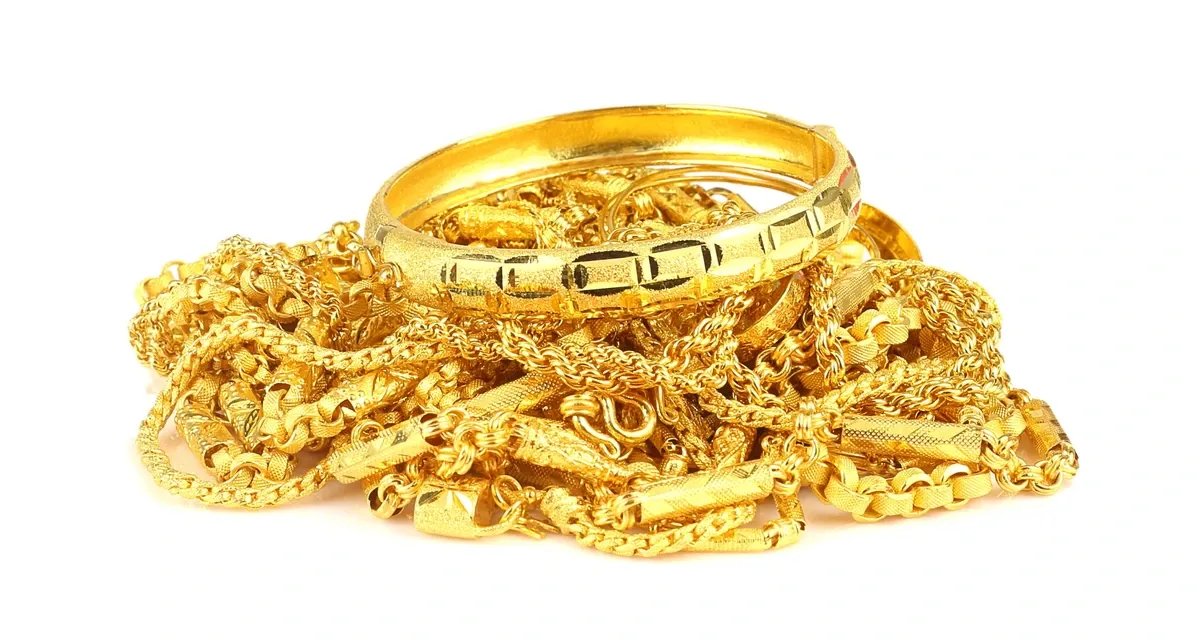
Gold sitting in a locker or cupboard doesn't earn you anything by itself. But it can potentially help you access funds without selling it. A gold loan lets an eligible borrower pledge gold as collateral with a lender and borrow against its assessed value, repaying it over time to get the gold back.
This guide walks through exactly how does a gold loan work.





What is a Gold Loan?
A gold loan is a secured loan where you pledge eligible gold jewellery or coins with a bank or NBFC as collateral. You don't sell the gold — you temporarily hand it over as security, borrow a percentage of its assessed value, and get it back once you repay the loan along with applicable interest and charges.
A few things worth clarifying upfront: ownership doesn't change — pledging is not selling, and the lender only holds the gold as security during the tenure. The lender acts as a custodian, not a buyer, and is expected to handle and store pledged collateral securely under applicable rules. Once all dues are cleared, the pledged gold is released back to you, subject to applicable terms.
How Does a Gold Loan Work? Step-by-Step
Step 1: Approach the Lender and Submit an Application
You apply at a bank, small finance bank, or NBFC, typically with identity, address and photograph proof for KYC. Exact documentation can vary by lender, so it's worth checking requirements with your chosen institution beforehand.
Step 2: Gold Is Assayed and Valued
The lender examines your gold to determine its purity and net gold weight. This step matters more than most borrowers realise. Valuation is benchmarked to 22-carat gold — if your gold is of lower purity, its weight is converted proportionately to a 22-carat equivalent rather than valued at face purity. The gross weight of jewellery includes stones, enamel, wax fillings, or other fastenings; these are deducted, and only the net gold weight counts. This is also why retail price doesn't equal loan value — making charges, brand value, and design premiums add nothing to collateral value; only the underlying gold does.
For pricing, lenders use the lower of the previous day's closing price or the 30-day average closing price for 22-carat gold, sourced from India Bullion and Jewellers Association (IBJA) rates or other SEBI-recognised exchange data. Borrower presence during this valuation is a requirement, and lenders are expected to issue a purity certificate detailing carat purity, gross weight, deductions, and net assessed value.
Step 3: The Lender Calculates the Eligible Loan Amount
This is where Loan-to-Value (LTV) comes in — the percentage of your gold's assessed value that a lender can lend against.
LTV = Loan outstanding ÷ Value of eligible pledged collateral × 100
Under the current regulatory framework governing lending against gold and silver collateral, the maximum LTV is tiered by loan size rather than a flat percentage:
| Loan Amount | Maximum LTV |
|---|---|
| Up to ₹2.5 lakh | 85% |
| Above ₹2.5 lakh up to ₹5 lakh | 80% |
| Above ₹5 lakh | 75% |
This replaced an earlier uniform ceiling and is designed to give smaller borrowers relatively more credit against the same gold value. One detail borrowers often miss: this LTV cap must be maintained throughout the loan tenure, not just on the day of sanction — for loans where interest is repaid at maturity, the interest accrued is factored into the LTV calculation, not just the principal.
Step 4: The Borrower Receives the Loan Offer
Before you accept, the lender shares an offer covering the sanctioned amount, applicable interest rate, tenure, repayment method, and any processing, valuation or other charges. Review the Key Fact Statement (KFS) and loan agreement carefully — this is where the actual cost of borrowing becomes clear, beyond the headline interest rate.
Step 5: Loan Amount Is Disbursed
Once you accept the offer, the sanctioned amount is disbursed, typically to your bank account. Disbursal timelines depend on the lender's internal process and branch verification, so it's best not to assume same-day credit unless your lender specifically commits to it.
Step 6: Borrower Repays the Gold Loan
Repayment structures vary by lender and product. Common options include:
Not every lender offers every option, so confirm what's available before you borrow.
Step 7: Gold Is Returned After Full Repayment
Once you clear all dues, the lender is required to release your pledged gold within seven working days of loan closure. Delays beyond this can attract a compensation obligation on the lender. If gold remains unclaimed for an extended period after full repayment, it may eventually be treated as unclaimed collateral under the lender's policy — so collecting it promptly matters.
How Is the Gold Loan Amount Calculated?
The eligible loan amount depends on four factors working together:
For illustration only: say your net 22-carat gold weighs 40 grams, and the applicable reference rate is ₹9,500 per gram. The assessed collateral value would be ₹3,80,000. At an 80% LTV (since this falls in the ₹2.5–5 lakh bracket), the eligible loan amount would be around ₹3,04,000. This is a simplified illustration — your actual eligible amount will depend on real-time valuation and the lender's specific policy.
Making charges, sentimental value, brand premiums, and the original retail price of jewellery do not add to this calculation.
What Happens to Your Gold After You Take the Loan?
Your gold stays pledged with the lender for the entire tenure. Regulated lenders are expected to follow defined norms for secure handling and storage, and you should receive documentation — typically a purity certificate — describing your pledged gold's specifications. When you repay in full, release begins, subject to the seven-working-day timeline discussed above. If there's ever a discrepancy, loss, or damage concerning your pledged gold, borrower-protection provisions apply, though this isn't a guarantee against every scenario.
Gold Loan Interest: How Does It Work?
Interest is charged on the amount you borrow, as per the terms agreed at sanction. Rates vary significantly across lenders and loan products, so the headline rate alone shouldn't drive your decision. Also examine processing charges, valuation or assaying charges where applicable, penal charges for late payment, and any auction-related charges that may apply in a default scenario.
What Happens If You Don't Repay a Gold Loan?
Missing a payment doesn't mean your gold is auctioned immediately. Typically, overdue amounts start attracting additional charges, and the lender communicates with you through notices about the outstanding dues. Depending on the lender's reporting practices, repayment behaviour may also be reported to credit information companies.
If dues remain unpaid beyond the lender's defined recovery timeline, the pledged gold may eventually be auctioned to recover the outstanding amount. Current norms require the borrower's presence during the valuation process connected to auction, and any surplus amount left after the lender recovers its dues must be returned to the borrower within seven working days of the auction.
Gold Loan vs Selling Gold: What's the Difference?
| Factor | Gold Loan | Selling Gold |
|---|---|---|
| Ownership | Retained by you; gold is only pledged | Transferred permanently to the buyer |
| Access to funds | A percentage of assessed gold value, as a loan | Full sale value, received upfront |
| Repayment obligation | Yes — principal, interest and charges apply | None |
| Ability to regain the gold | Yes, on full repayment | No, unless you repurchase separately |
| Interest/cost implications | Interest and applicable charges apply over tenure | No ongoing cost, but you lose the asset |
Neither option is automatically better — it depends on whether you need the gold back and whether you can comfortably service a loan.
When Can a Gold Loan Be Useful?
A gold loan may be considered for situations such as:
It isn't meant for open-ended or unnecessary borrowing — it works best when there's a clear repayment plan.
What Should You Check Before Taking a Gold Loan?
Don't decide only on "how much loan can I get?" Also ask "how much will this loan cost me, and can I comfortably repay it?"
Final Thoughts
A gold loan can help you access funds without selling eligible gold assets, but it remains a loan that must be repaid according to the agreed terms. Before borrowing, take time to understand how your gold will be valued, what LTV applies, what the loan will actually cost you, and what your repayment obligations are.
Disclaimer:
The contents herein are only for informational purposes and generic in nature. The content does not amount to an offer, invitation or solicitation of any kind to buy or sell, and are not intended to create any legal rights or obligations. This information is subject to updation, completion, amendment and verification without notice. The contents herein are also subject to other product-specific terms and conditions, as well as any applicable third-party terms and conditions, for which Ujjivan Small Finance Bank assumes no responsibility or liability.
Nothing contained herein is intended to constitute financial, investment, legal, tax, or any other professional advice or opinion. Please obtain professional advice before making investment or any other decisions. Any investment decisions that may be made by the you shall be at your own sole discretion, independent analysis and evaluation of the risks involved. The use of any information set out in this document is entirely at the user's own risk. Ujjivan Small Finance Bank Limited makes no representation or warranty, express or implied, as to the accuracy and completeness for any information herein. The Bank disclaims any and all liability for any loss or damage (direct, indirect, consequential, or otherwise) incurred by you due to use of or due to investment, product application decisions made by you on the basis of the contents herein. While the information is prepared in good faith from sources deemed reliable (including public sources), the Bank disclaims any liability with respect to accuracy of information or any error or omission or any loss or damage incurred by anyone in reliance on the contents herein, in any manner whatsoever.
To know more about Ujjivan Small Finance Bank Products Visit:"https://www.ujjivansfb.bank.in"
All intellectual property rights, including copyrights, trademarks, and other proprietary rights, pertaining to the content and materials displayed herein, belong to Ujjivan Small Finance Bank Limited or its licensors. Unauthorised use or misuse of any intellectual property, or other content displayed herein is strictly prohibited and the same is not intended for distribution to, or use by, any person in any jurisdiction where such distribution or use would (by reason of that person's nationality, residence or otherwise) be contrary to law or registration or would subject Ujjivan Small Finance Bank Limited or its affiliates to any licensing or registration requirements.
Apply for Gold Loan