Common UPI Scams in India and How to Avoid Them
Disclaimer: This article is for general information/education and is not investment advice. The information is shared in good faith and for general informational purposes only. Ujjivan SFB does not make any representations or warranties regarding the accuracy, completeness, or reliability of the content.
July 09, 2026
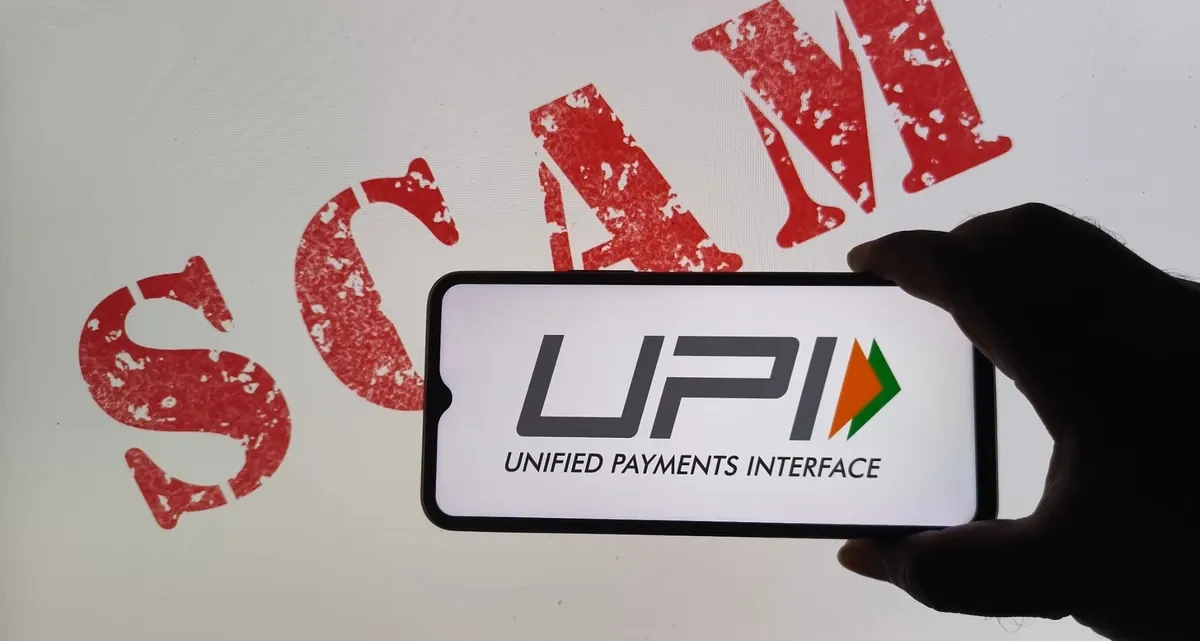
The growing popularity of UPI has made it a target for fraudsters. Most scammers try to trick users into sharing confidential information or approving fraudulent transactions. Knowing how these common UPI scams work and the precautions to take can help you use UPI safely.








What are the Common Type of UPI Scams in India?
1. Fake Payment Request Scam
Fraudsters send a 'Collect Request' claiming they are transferring money to your account. Believing they need to approve the request to receive funds, victims unknowingly authorise a payment instead.
How to avoid it:
2. QR Code Scam
Scammers send a QR code claiming you must scan it to receive money, claim a refund, or receive cashback. In reality, scanning the QR code initiates a payment, it does not help you receive money.
How to avoid it:
3. Fake Customer Care Scam
Fraudsters create fake customer care numbers online or impersonate bank representatives through calls and messages. They often ask for banking credentials, OTPs, or UPI PINs.
How to avoid it:
4. Screen Sharing App Scam
Fraudsters persuade victims to install screen-sharing or remote access applications under the pretext of resolving a banking issue. Once you grant access, fraudsters may observe or control your device during financial transactions.
How to avoid it:
5. Phishing Links and Fake Websites
Fraudsters send messages about KYC updates, account suspension, cashback offers, or rewards, asking you to click on malicious links that lead to fake websites.
How to avoid it:
6. OTP and UPI PIN Fraud
Scammers attempt to obtain OTPs or UPI PINs by pretending to verify transactions or update account details.
How to avoid it:
7. Lottery, Cashback and Reward Scams
Victims receive messages claiming they have won prizes, cashback, or rewards and scammers ask them to make a payment or share banking details to claim the benefit.
How to avoid it:
8. Malicious Software Threats
Fraudsters trick you into downloading malicious software through fake links or attachments, then extract your sensitive banking information.
How to avoid it:
9. Money Muling Fraud
Fraudsters move stolen money through your account or other intermediary accounts, called money mules, to hide illegal transactions.
How to avoid it:
10. SIM Swap Fraud
Fraudsters clone your SIM to intercept your OTPs, reset your UPI credentials and access your bank account.
How to avoid it:
Who is Most Vulnerable to UPI Scams?
Fraudsters often target users who may be less familiar with digital payment practices or are more likely to respond quickly without verification.
These may include:
Regardless of experience, every UPI user must verify transactions before approving them.
What to Do If You Suspect a UPI Fraud?
If you believe a scammer has targeted you, acting quickly can help minimise potential losses.
You should:
Prompt reporting can support the investigation and help prevent further misuse.
Quick UPI Safety Checklist
Before approving any UPI transaction, remember to:
Final Thoughts
UPI offers a fast and convenient way to make digital payments, but staying alert is just as important as knowing how to use the platform. A few simple precautions, combined with awareness of common scam techniques, can help you in protecting your money and ensuring a safer digital banking experience.
Disclaimer:
The contents herein are only for informational purposes and generic in nature. The content does not amount to an offer, invitation or solicitation of any kind to buy or sell, and are not intended to create any legal rights or obligations. This information is subject to updation, completion, amendment and verification without notice. The contents herein are also subject to other product-specific terms and conditions, as well as any applicable third-party terms and conditions, for which Ujjivan Small Finance Bank assumes no responsibility or liability.
Nothing contained herein is intended to constitute financial, investment, legal, tax, or any other professional advice or opinion. Please obtain professional advice before making investment or any other decisions. Any investment decisions that may be made by the you shall be at your own sole discretion, independent analysis and evaluation of the risks involved. The use of any information set out in this document is entirely at the user's own risk. Ujjivan Small Finance Bank Limited makes no representation or warranty, express or implied, as to the accuracy and completeness for any information herein. The Bank disclaims any and all liability for any loss or damage (direct, indirect, consequential, or otherwise) incurred by you due to use of or due to investment, product application decisions made by you on the basis of the contents herein. While the information is prepared in good faith from sources deemed reliable (including public sources), the Bank disclaims any liability with respect to accuracy of information or any error or omission or any loss or damage incurred by anyone in reliance on the contents herein, in any manner whatsoever.
To know more about Ujjivan Small Finance Bank Products Visit:"https://www.ujjivansfb.bank.in"
All intellectual property rights, including copyrights, trademarks, and other proprietary rights, pertaining to the content and materials displayed herein, belong to Ujjivan Small Finance Bank Limited or its licensors. Unauthorised use or misuse of any intellectual property, or other content displayed herein is strictly prohibited and the same is not intended for distribution to, or use by, any person in any jurisdiction where such distribution or use would (by reason of that person's nationality, residence or otherwise) be contrary to law or registration or would subject Ujjivan Small Finance Bank Limited or its affiliates to any licensing or registration requirements.