
What is Banking Ombudsman and When Should You Use It?
Disclaimer: This article is for general information/education and is not investment advice. The information is shared in good faith and for general informational purposes only. Ujjivan SFB does not make any representations or warranties regarding the accuracy, completeness, or reliability of the content.
July 09, 2026
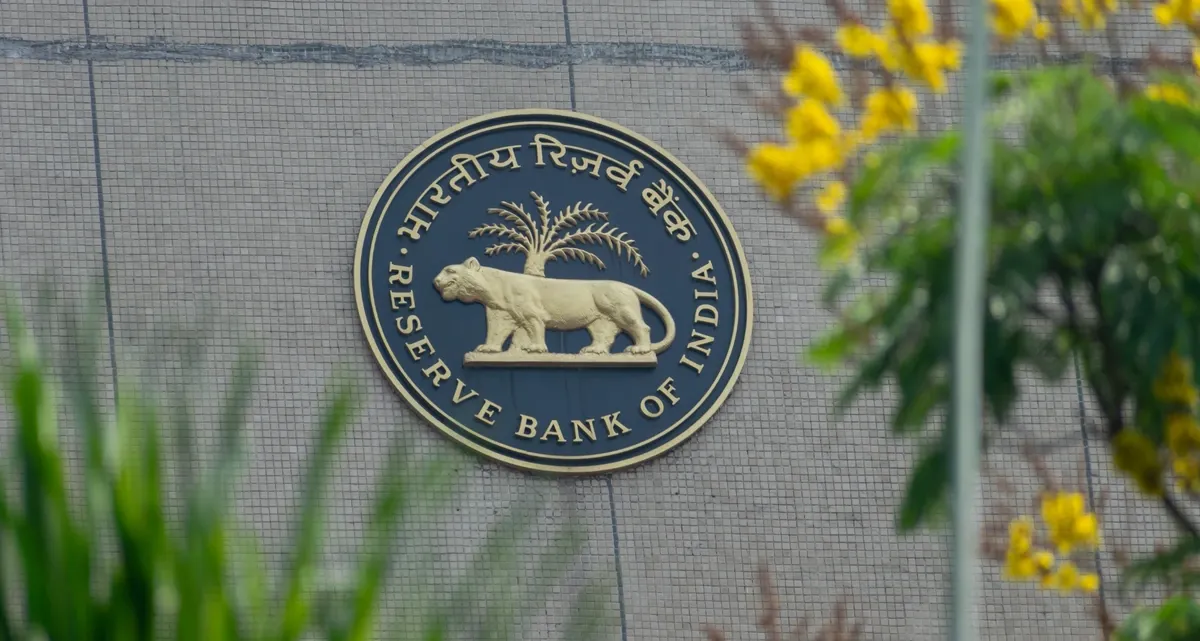
The Banking Ombudsman is a quasi-judicial authority established under Reserve Bank of India (RBI) to resolve customer complaints against banks. The scheme follows a One Nation One Ombudsman approach, that means, you don't need to identify the correct RBI Ombudsman office. You can file a complaint from anywhere, and it will be routed to the appropriate office.
This blog explains what the RBI Ombudsman is, when you can file a complaint, how the complaint process works, and what you should know before filing one.









What is the New RBI Ombudsman Scheme?
Effective July 1, 2026, the Reserve Bank – Integrated Ombudsman Scheme (RB-IOS), 2026 replaced the 2021 scheme with a stronger, more transparent grievance redressal mechanism. The revised scheme clarifies complaint procedures and makes the process faster and more consumer-friendly and expand the powers under the scheme.
The new scheme provides a faster, cost free and non-adversarial mechanism to resolve complaints against banks, non-banking financial companies (NBFCs), prepaid payment instrument issuers, payment system participants and credit information companies.
The updated framework supports online complaint filing through a single platform, and reflects the latest RBI updates to the grievance redress process.
Against Whom Can You File a Complaint Under RBI Ombudsman?
Under RBI Ombudsman, customers can raise eligible complaints against:
When Should You File a Complaint with the RBI Ombudsman?
You can file a complaint with the RBI Ombudsman after the concerned bank or regulated entity has not given a response to your complaint within 30 days, or if the response you receive does not resolve your issue satisfactorily. In both cases, you can file the complaint within 90 days from the bank's final response or after the expiry of the prescribed response period, whichever applies.
You may consider approaching the RBI Ombudsman when there is:
How to File a Complaint Under the RBI Ombudsman?
After completing the grievance process with the concerned bank, you can file a complaint with the RBI Ombudsman by following these steps:
Step 1: Choose a filing method
You can file your complaint through any of the following methods:
Step 2: Submit the required details
Provide details such as your complaint reference number, transaction details, supporting documents, and the bank's response, if available.
Step 3: RBI reviews your complaint
The RBI Ombudsman seeks a response from the concerned regulated entity and reviews the complaint along with the documents submitted.
Step 4: Decision on the complaint
Is there a helpline for customers?
Yes. The RBI provides a dedicated customer care helpline and toll-free number 14448. You can use this number to get guidance on how to file a complaint, understand the grievance process or track your existing case.
When Can Customer Complaint be Rejected?
Not every complaint filed with the RBI Ombudsman is eligible for consideration. They may reject your complaint if:
What Should an RBI Ombudsman Complaint Contain?
Providing the right information and supporting documents can make the complaint process smoother. Depending on the nature of your complaint, the RBI Ombudsman complaint form should include:
What Relief Can You Expect from the RBI Ombudsman?
The relief the RBI Ombudsman provides depends on the nature of the complaint. It may include one or more of the following:
Do You Need a Lawyer to Approach the Ombudsman?
No. RBI-IOS 2026 keeps the process simple and non-adversarial. You can represent yourself or you can appoint an authorised representative, subject to the conditions the scheme prescribes.
Is There a Limit On the Value of Disputes You Can Bring Before the Ombudsman?
No. There is a cap on the compensation the Ombudsman can award, but no monetary limit on the value of disputes you can bring under the scheme.
Can the Ombudsman Direct a Bank to Take Action?
Yes. If the Ombudsman finds a deficiency in service, it can direct the regulated entity to rectify the deficiency, perform specific obligations, refund the money, pay compensation or take other remedial measure. The Ombudsman can also facilitate a settlement between the parties.
Where Should You File a Complaint for Financial Scams?
Different types of financial scams need to be reported to different authorities. Choosing the right platform can help speed up the resolution process.
| Situation | Where to Report |
|---|---|
| Unauthorized online banking or UPI fraud | Your bank immediately, followed by calling 1930 and the National Cyber Crime Reporting Portal |
| Fake lending apps or unauthorized deposit schemes | RBI Sachet Portal |
| Unresolved complaint against your bank or another regulated entity | RBI Ombudsman (after completing the entity's grievance process) |
Final Thoughts
Most banking issues are resolved directly by the bank, but knowing the next step is equally important. The RBI Ombudsman gives customers a reliable way to seek resolution when eligible complaints remain unresolved.
Following the correct process, keeping the required documents ready, and filing your complaint within the prescribed timelines can make the process smoother and improve your chances of a timely resolution.
Disclaimer:
The contents herein are only for informational purposes and generic in nature. The content does not amount to an offer, invitation or solicitation of any kind to buy or sell, and are not intended to create any legal rights or obligations. This information is subject to updation, completion, amendment and verification without notice. The contents herein are also subject to other product-specific terms and conditions, as well as any applicable third-party terms and conditions, for which Ujjivan Small Finance Bank assumes no responsibility or liability.
Nothing contained herein is intended to constitute financial, investment, legal, tax, or any other professional advice or opinion. Please obtain professional advice before making investment or any other decisions. Any investment decisions that may be made by the you shall be at your own sole discretion, independent analysis and evaluation of the risks involved. The use of any information set out in this document is entirely at the user's own risk. Ujjivan Small Finance Bank Limited makes no representation or warranty, express or implied, as to the accuracy and completeness for any information herein. The Bank disclaims any and all liability for any loss or damage (direct, indirect, consequential, or otherwise) incurred by you due to use of or due to investment, product application decisions made by you on the basis of the contents herein. While the information is prepared in good faith from sources deemed reliable (including public sources), the Bank disclaims any liability with respect to accuracy of information or any error or omission or any loss or damage incurred by anyone in reliance on the contents herein, in any manner whatsoever.
To know more about Ujjivan Small Finance Bank Products Visit:"https://www.ujjivansfb.bank.in"
All intellectual property rights, including copyrights, trademarks, and other proprietary rights, pertaining to the content and materials displayed herein, belong to Ujjivan Small Finance Bank Limited or its licensors. Unauthorised use or misuse of any intellectual property, or other content displayed herein is strictly prohibited and the same is not intended for distribution to, or use by, any person in any jurisdiction where such distribution or use would (by reason of that person's nationality, residence or otherwise) be contrary to law or registration or would subject Ujjivan Small Finance Bank Limited or its affiliates to any licensing or registration requirements.