How Much Gold Can You Keep at Home in India?
Disclaimer: This article is for general information/education and is not investment advice. The information is shared in good faith and for general informational purposes only. Ujjivan SFB does not make any representations or warranties regarding the accuracy, completeness, or reliability of the content.
July 21, 2026
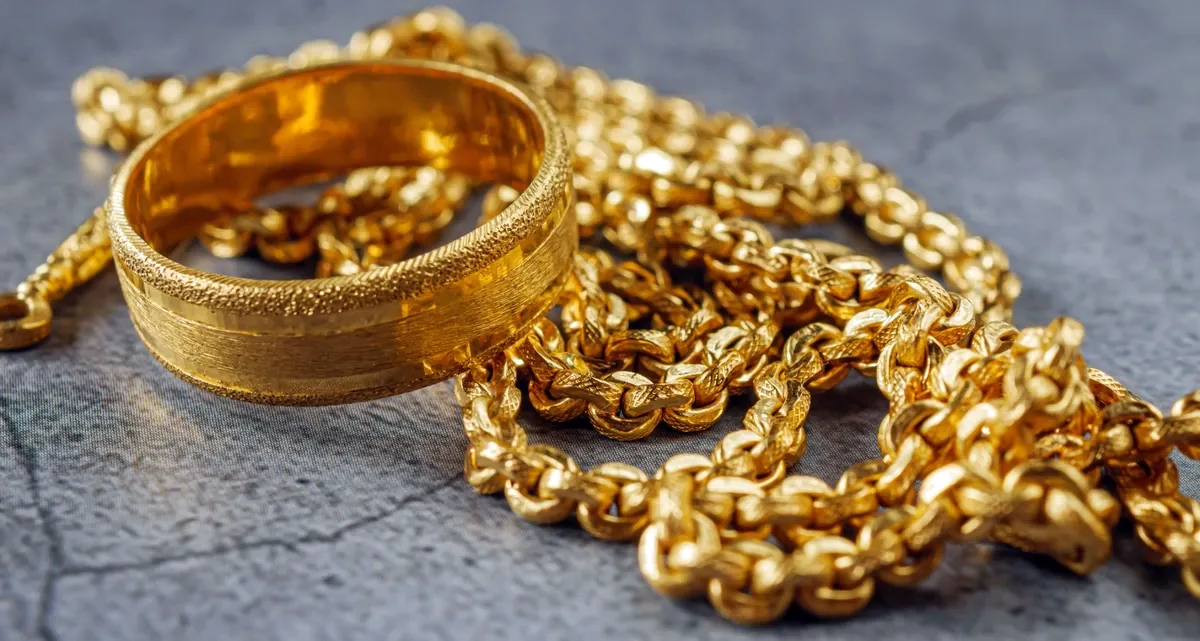
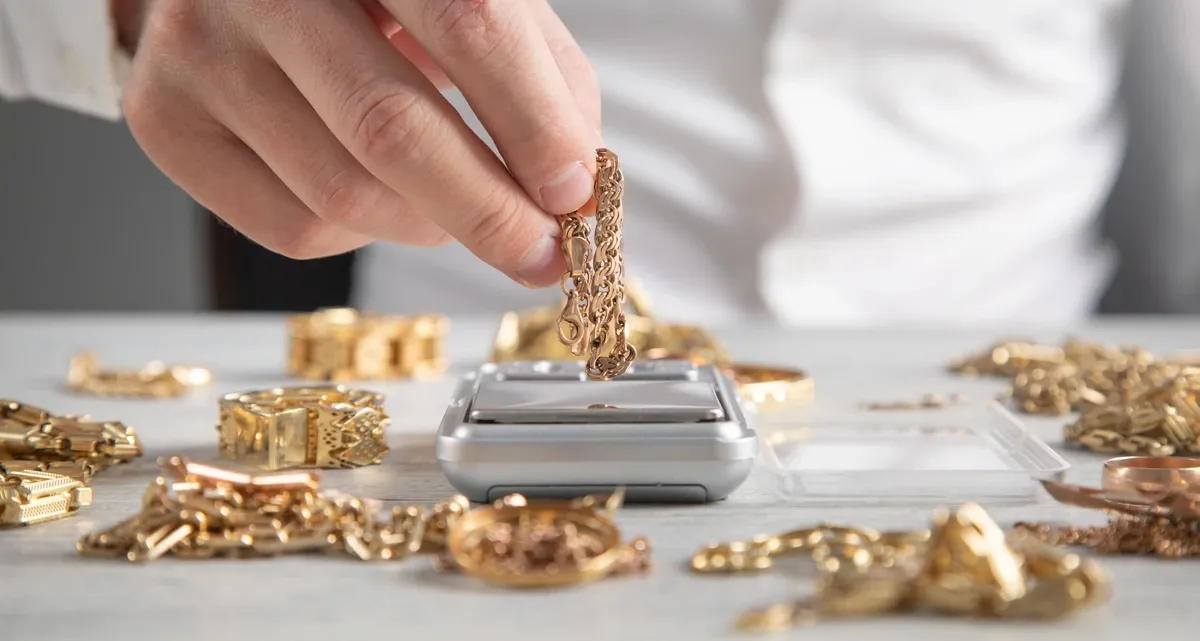
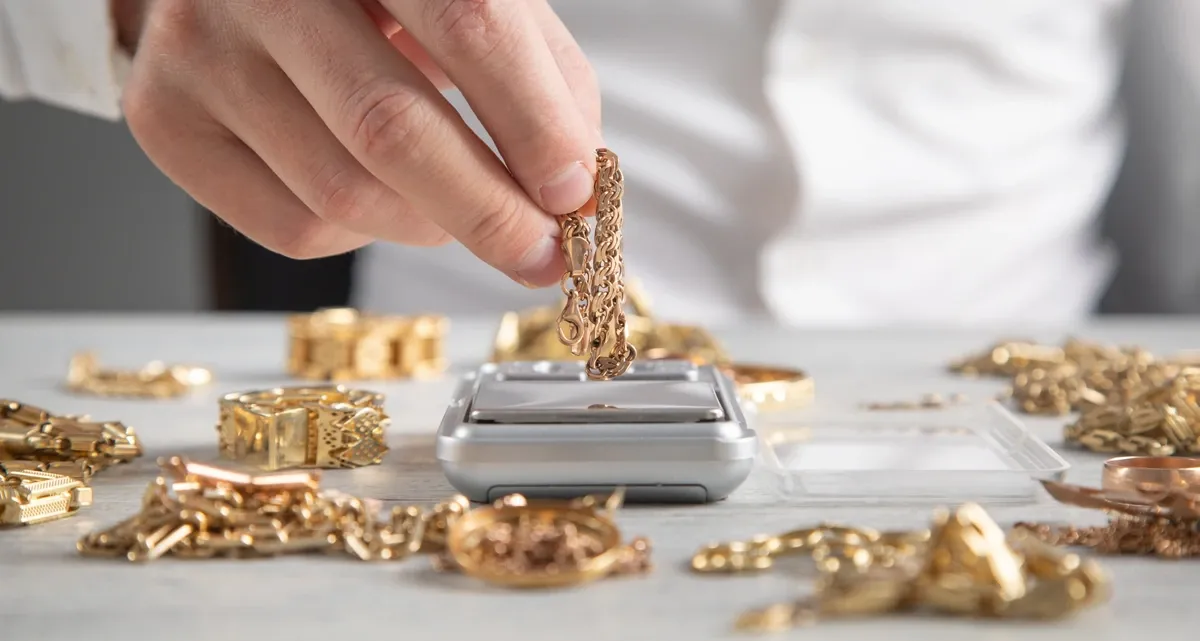
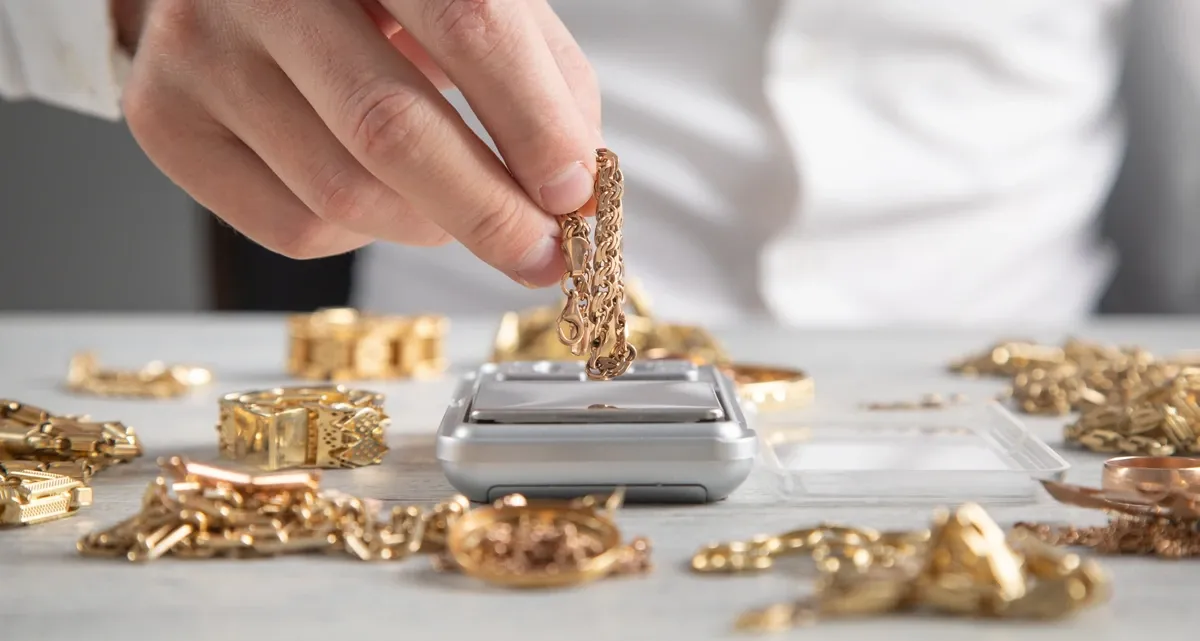
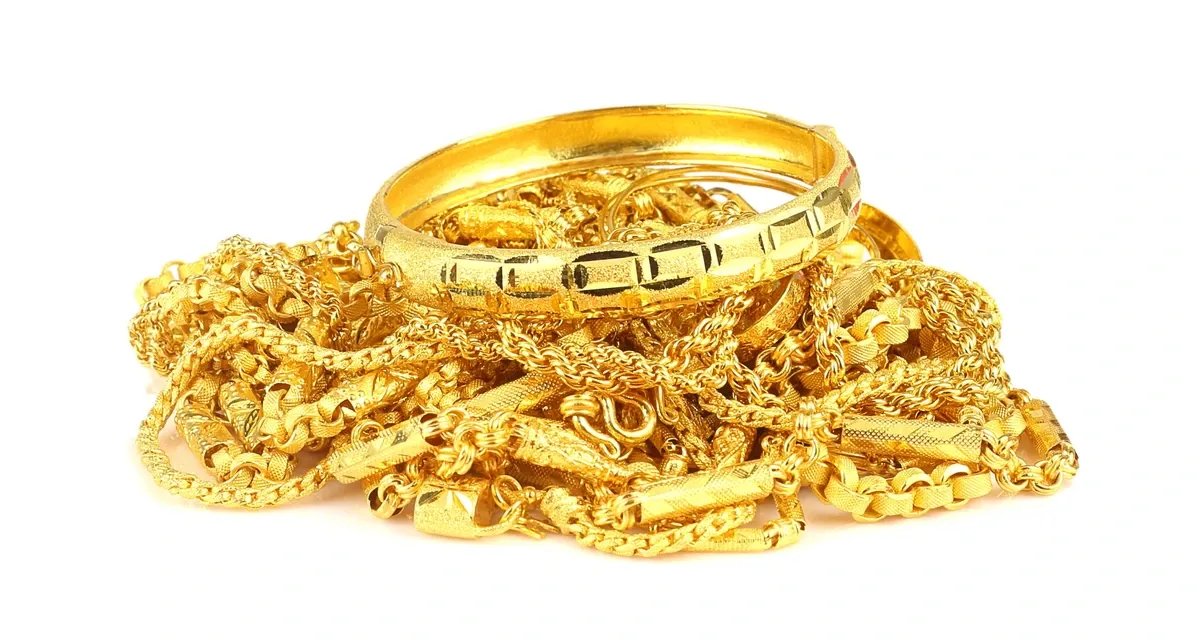
Indian families commonly hold gold in different forms, such as jewellery, wedding gifts, inherited ornaments, coins, bars or investment gold. Sometimes, many people even wonder, "How much gold can legally be kept at home?" The simple answer is that there is no fixed blanket limit on how much gold jewellery or ornaments a person can keep at home, as long as the source of the gold can be explained. The gold may have been bought from disclosed income, received as a genuine gift, inherited from family or acquired through another legitimate source.
Please note that unexplained bullion or jewellery may attract tax consequences. If the gold can be linked to a valid source, it can be held legally. The government has also clarified that there is no limit on holding gold jewellery or ornaments if they are acquired from explained sources, including inheritance.






Is There a Legal Limit on Gold Kept at Home?
There is no general ownership limit on keeping gold jewellery or ornaments at home in India. A person can own gold jewellery or ornaments if the source can be explained. This can include gold bought from declared income, gold received during marriage, gold gifted by family members or gold inherited from parents or grandparents.
The commonly quoted gold limits are not ownership limits. They are guidelines used during income-tax search and seizure proceedings. These limits help income-tax officials decide how much jewellery should generally not be seized during a search. As per the CBDT guidance referred to in the government clarification, jewellery and ornaments up to the following quantities are generally not seized during search operations, even if they do not immediately appear to match the income record of the person:
Person | Jewellery generally not seized during search |
|---|---|
Married woman | 500 grams |
Unmarried woman | 250 grams |
Male member | 100 grams |
This does not mean a married woman can own only 500 grams of gold. It also does not mean a man can own only 100 grams. These figures are not legal ownership caps. An individual can own more gold than these quantities, but gold above these limits may require a clearer explanation or supporting documents if questioned by tax officials.
Note: The above mentioned individual gold limits offer practical relief during search proceedings. They do not remove the need to have a reasonable explanation for how the gold was acquired.
Need a loan with minimum hassle and faster approval? Apply for a Gold Loan with Ujjivan and unlock the value of your gold. Enjoy affordable interest rates, flexible repayment options and faster approval.
What is the Guideline for Keeping Jewellery, Coins, Bars and Bullion?
The search and seizure guidelines mainly refer to gold jewellery and ornaments. Jewellery often has a family or cultural background in India. It may be connected to weddings, gifts, festivals or inheritance. Gold coins, bars and bullion are different in nature. They are usually treated more like investment assets, and because of this, it is safer to keep proper records for them.
For gold coins, bars and bullion, useful records may include purchase bills, GST invoices, bank payment proof, seller details, gift records or inheritance documents. If these assets are bought recently, proper documentation becomes even more important. For example, if someone buys a gold coin from a jeweller or bank, the invoice and payment proof should be kept safely. If gold bars are received as a gift, a written gift record can help explain the source.
What Proof Should You Keep?
The safest approach is to keep basic records for the gold kept at home. This is especially useful for recent purchases, high-value gold, investment gold or gold that may be questioned later.
Useful Records Include:
For old family jewellery, perfect documents may not always be available. In such cases, any reasonable record can help. This may include old photographs, family records, inheritance details or a valuation report from a jeweller. The goal is to avoid unnecessary paperwork for small items and to clarify how the gold became part of the family if any questions arise.
Final Thoughts
There is no fixed limit on how much gold you can keep at home in India if the source can be explained. And, gold above the limits is not automatically illegal. The concern usually arises when the source cannot be explained.
For gifted or inherited gold, keep whatever reasonable records are available. This may include wedding gift details, a simple written gift deed, family settlement deed, a will, valuation report, old photographs or family records. For gold coins, bars and bullion, purchase bills and payment proof are especially important.
Disclaimer:
The contents herein are only for informational purposes and generic in nature. The content does not amount to an offer, invitation or solicitation of any kind to buy or sell, and are not intended to create any legal rights or obligations. This information is subject to updation, completion, amendment and verification without notice. The contents herein are also subject to other product-specific terms and conditions, as well as any applicable third-party terms and conditions, for which Ujjivan Small Finance Bank assumes no responsibility or liability.
Nothing contained herein is intended to constitute financial, investment, legal, tax, or any other professional advice or opinion. Please obtain professional advice before making investment or any other decisions. Any investment decisions that may be made by the you shall be at your own sole discretion, independent analysis and evaluation of the risks involved. The use of any information set out in this document is entirely at the user's own risk. Ujjivan Small Finance Bank Limited makes no representation or warranty, express or implied, as to the accuracy and completeness for any information herein. The Bank disclaims any and all liability for any loss or damage (direct, indirect, consequential, or otherwise) incurred by you due to use of or due to investment, product application decisions made by you on the basis of the contents herein. While the information is prepared in good faith from sources deemed reliable (including public sources), the Bank disclaims any liability with respect to accuracy of information or any error or omission or any loss or damage incurred by anyone in reliance on the contents herein, in any manner whatsoever.
To know more about Ujjivan Small Finance Bank Products Visit:"https://www.ujjivansfb.bank.in"
All intellectual property rights, including copyrights, trademarks, and other proprietary rights, pertaining to the content and materials displayed herein, belong to Ujjivan Small Finance Bank Limited or its licensors. Unauthorised use or misuse of any intellectual property, or other content displayed herein is strictly prohibited and the same is not intended for distribution to, or use by, any person in any jurisdiction where such distribution or use would (by reason of that person's nationality, residence or otherwise) be contrary to law or registration or would subject Ujjivan Small Finance Bank Limited or its affiliates to any licensing or registration requirements.