How to Block a Lost Debit Card and Report Fraud
Disclaimer: This article is for general information/education and is not investment advice. The information is shared in good faith and for general informational purposes only. Ujjivan SFB does not make any representations or warranties regarding the accuracy, completeness, or reliability of the content.
September 10,2026
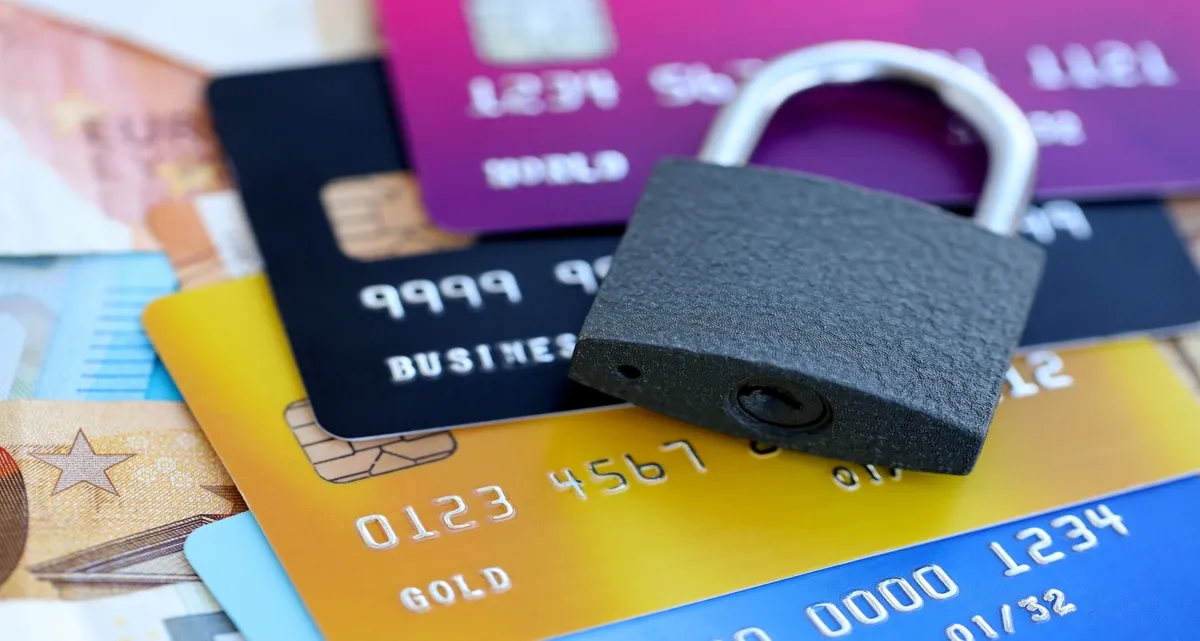
If your debit card is lost or stolen, you should act immediately and block the card as soon as you notice that it is missing. Losing your debit card can put the money in your bank account at risk. A person who finds the card may try to use it for contactless payments, online purchases or other transactions.
If an unauthorised transaction has already taken place, you must also report the fraud separately. Blocking a card prevents further use, but it does not automatically register a dispute for money already deducted.
How to Block Your Debit Card Immediately?
If your Ujjivan SFB debit card is lost or stolen, you can hotlist/block it immediately through the following channels:








1. Net Banking
2. Branch
You can also get your debit card hotlisted by visiting your nearest Ujjivan SFB branch.
You can call our toll-free number 1800-208-2121 and block or hotlist your debit card through phone banking.
4. Ujjivan SFB Mobile Banking App
Download the Ujjivan SFB Mobile Banking App and register yourself. You can choose the hotlisting or blocking option to block your debit card.
Should You Temporarily Disable or Permanently Block the Card?
Permanent blocking is more appropriate when the card has been stolen, lost in a public place or missing for an extended period. A permanently blocked card normally cannot be reactivated, and you will need to request a replacement. If you are uncertain about the card's safety, permanent blocking reduces the risk of further misuse.
How to Check Your Account for Unauthorised Transactions?
After blocking the card, review your account statement and recent transaction alerts. Look for unfamiliar:
Do not ignore a transaction because the amount is small. Fraudsters may first attempt a low-value payment to check whether the card is still active. Record the date, time, amount, merchant or ATM details and transaction reference number for every payment you did not authorise.
How to Report the Fraud Separately to Your Bank?
Blocking the card prevents new transactions, but it cannot create a fraud dispute for payments that have already taken place. You must report each unauthorised transaction to the bank. You can normally submit the complaint through phone banking (Toll Free: 1800-2087 -2121) in your preferred language or visit your nearest branch. Provide:
Ask the bank to register the transactions as unauthorised and provide written acknowledgment. Keep the complaint number, email confirmation and card-blocking message. Do not share your full PIN, CVV or OTP while raising the complaint. A genuine bank representative does not need these details to block your card or register a dispute.
How to Report the Fraud on the Cybercrime Portal?
If money has been fraudulently withdrawn or spent, call the National Cybercrime Helpline on 1930 immediately. You should also submit a complaint through the official National Cyber Crime Reporting Portal at cybercrime.gov.in.
Keep the following information ready:
Fast reporting can give the authorities and financial institutions a better chance of tracing or stopping the money. Reporting the incident to the cybercrime authorities does not replace the complaint you must make to your bank. Both actions should be completed as quickly as possible.
Who is Liable for the Lost Money When a Debit Card is Lost or Stolen?
Liability depends on how the transaction occurred, whether either party was negligent and how quickly you notified the bank.
Under the RBI customer-protection framework:
The burden of proving that you were liable for an unauthorised electronic transaction lies with the bank. Still, reimbursement is not automatic in every lost-card case. The bank will investigate the circumstances and apply the RBI requirements and its customer-protection policy.
Where zero or limited liability applies, the RBI framework requires the bank to provide the applicable shadow reversal within 5 calendar days of receiving your notification. The complaint must generally be resolved within the period stated in the bank's policy, subject to the regulatory limit.
What If the Card Was Used for Tap-to-Pay?
Contactless card payments of up to ₹5,000 per transaction can be completed without entering a PIN in India. This creates a risk if someone finds your card before you block it.
Having contactless payments enabled does not mean that you authorised a fraudulent transaction. It also does not automatically make the bank responsible. Liability will depend on the reporting time, the circumstances of the loss and whether the bank can establish negligence. You can reduce this risk by disabling contactless payments when you do not use them or by setting a lower contactless limit through your bank's card controls.
How to Secure the Rest of Your Bank Account?
After reporting the loss, change your mobile-banking and internet-banking passwords. Review whether your account is connected to payment applications or digital wallets. If your phone and debit card were lost together, contact your mobile network provider and block the SIM. Inform your bank that both items are missing, as this can also place mobile banking and OTP-based services at risk. Continue monitoring the account for several days. Report any additional unfamiliar transaction immediately.
How to Request a Replacement Debit Card?
Once the old card is permanently blocked, request a replacement through phone banking (Toll Free: 1800-2087 -2121), Ujjivan SFB Mobile Banking app or visit your nearest branch. The bank may charge a replacement fee. Delivery time will depend on the bank and your registered address. When the new card arrives, create a new PIN and set suitable limits for ATM, online, international and contactless use. You may also need to update recurring payments that were linked to the old card.
Escalate the Complaint If It is Not Resolved
If the bank rejects your complaint or does not provide a satisfactory response, first escalate it to the bank's grievance redressal officer or nodal officer. If you remain dissatisfied with the response, or the bank does not respond within the applicable period, you can file a complaint through the RBI's Complaint Management System under the Integrated Ombudsman Scheme. The Ombudsman service is free, but you must first give the bank an opportunity to resolve the complaint.
Final Thoughts
Your first priority after losing a debit card is to disable the transactions for further use. Block the card, examine your transactions and report any fraud to the bank and the cybercrime authorities. You need to keep every alert, acknowledgment and complaint number, because these records can establish when you discovered the loss, when you notified the bank and which transactions you disputed. Acting quickly can limit your financial loss and strengthen your claim against unauthorised transactions.
Disclaimer:
The contents herein are only for informational purposes and generic in nature. The content does not amount to an offer, invitation or solicitation of any kind to buy or sell, and are not intended to create any legal rights or obligations. This information is subject to updation, completion, amendment and verification without notice. The contents herein are also subject to other product-specific terms and conditions, as well as any applicable third-party terms and conditions, for which Ujjivan Small Finance Bank assumes no responsibility or liability.
Nothing contained herein is intended to constitute financial, investment, legal, tax, or any other professional advice or opinion. Please obtain professional advice before making investment or any other decisions. Any investment decisions that may be made by you shall be at your own sole discretion, independent analysis and evaluation of the risks involved. The use of any information set out in this document is entirely at the user's own risk. Ujjivan Small Finance Bank Limited makes no representation or warranty, express or implied, as to the accuracy and completeness of any information herein. The Bank disclaims any and all liability for any loss or damage (direct, indirect, consequential, or otherwise) incurred by you due to use of or due to investment, product application decisions made by you on the basis of the contents herein. While the information is prepared in good faith from sources deemed reliable (including public sources), the Bank disclaims any liability with respect to accuracy of information or any error or omission or any loss or damage incurred by anyone in reliance on the contents herein, in any manner whatsoever.
To know more about Ujjivan Small Finance Bank Products Visit:"https://www.ujjivansfb.bank.in"
All intellectual property rights, including copyrights, trademarks, and other proprietary rights, pertaining to the content and materials displayed herein, belong to Ujjivan Small Finance Bank Limited or its licensors. Unauthorised use or misuse of any intellectual property, or other content displayed herein is strictly prohibited and the same is not intended for distribution to, or use by, any person in any jurisdiction where such distribution or use would (by reason of that person's nationality, residence or otherwise) be contrary to law or registration or would subject Ujjivan Small Finance Bank Limited or its affiliates to any licensing or registration requirements.
Explore Our Products