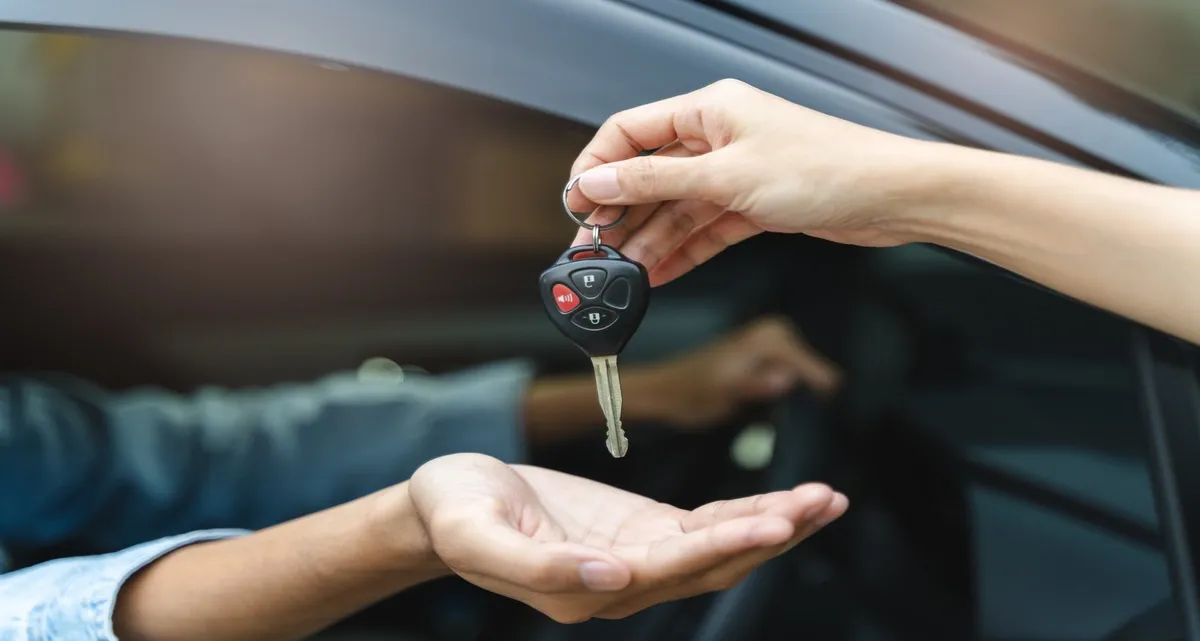
Why Do Used Car Loan Applications Get Rejected?
Disclaimer: This article is for general information/education and is not investment advice. The information is shared in good faith and for general informational purposes only. Ujjivan SFB does not make any representations or warranties regarding the accuracy, completeness, or reliability of the content.
August 25, 2026
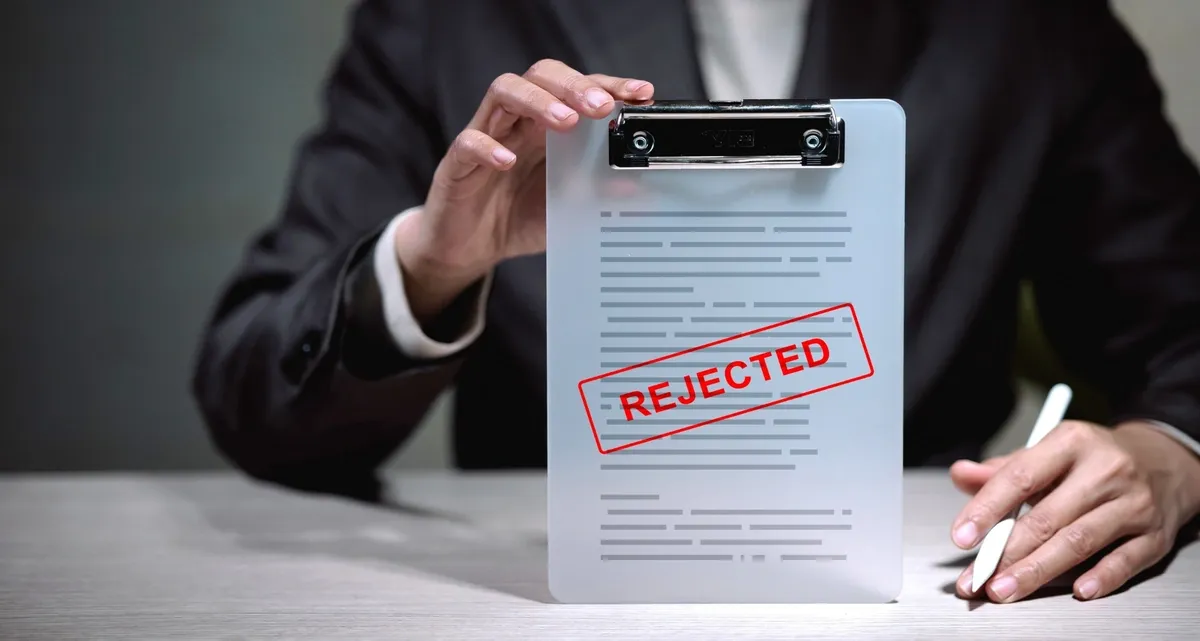
You've found the car, you've got the down payment ready, and your salary comes in every month like clockwork. So, why did your used-car loan application still got rejected? Here's the thing: the bank isn't only checking whether you can pay the EMI. It's also studying the car itself — its age, condition, market value, ownership history and resale potential. Even small gaps in your application or documents can tip the decision the wrong way.
In this blog, we'll walk you through the borrower-related, vehicle-related and documentation-related reasons your used-car loan application could get rejected, and the steps you can take before you apply for your next pre-owned car loan.
How A Bank May Assess Your Used-Car Loan Application?
A used-car loan or pre-owned car loan is generally secured against the vehicle you are purchasing. If you do not repay the loan, the bank may take possession of the car and sell it to recover the outstanding amount.



So the bank looks at two main risks before it approves your loan:
- Whether you're likely to repay the loan
- Whether the car offers enough security for the loan
The assessment may include your credit history, income, existing EMIs, employment stability and age. The bank may also check the car's condition, age, valuation, registration details and ownership history.
What Borrower-Related Issues Could Get Your Application Rejected?
1. Low Credit Score or Negative Repayment History
An extremely poor credit score, especially due to multiple loan defaults may hurt your chances of approval. But banks don't stop at the score. They may go through your entire credit report. Late payments, defaults, write-offs and accounts marked 'settled' can all work against you. (A settled account means you paid less than the full amount owed, which suggests the original debt wasn't cleared in full.) Sometimes it isn't even your fault — errors in your credit report can cause rejections too. If you spot a late payment, loan or balance that's been reported incorrectly, raise a dispute with the credit bureau and the bank before you reapply.
2. High Existing Debt
The bank checks your income against what you already owe; think home-loan EMIs, personal loans, credit-card payments and other regular commitments. If your existing repayments already eat into a large part of your monthly income, the bank may feel there isn't enough room for another EMI. That could mean rejection, or the bank may offer you a smaller loan amount instead.
3. Insufficient or Unstable Income
You might not meet the bank's minimum income requirement, or your income may look irregular or hard to verify.
4. You Don't Meet the Bank's Internal Eligibility Rules
Every bank sets its own rules around age, residence, employment category, employer, business continuity or location. Your loan tenure also has to fit within the bank's maximum age-at-maturity limit. And if you're bringing in a co-applicant, they'll need to meet their own income and relationship conditions too.
What Vehicle-Related Issues Could Get Your Loan Rejected?
1. The Car is Too Old
Banks cap how old a vehicle can be by the end of your loan tenure. So if the car you've chosen is already close to that limit, you might not get the five-year tenure you were hoping for — the bank may offer you a shorter one instead, or turn down the vehicle altogether.
2. Registration or Ownership Records Are Unclear
Problems with the car's legal paperwork can stall your loan approval. Watch out for:
The bank needs to be able to create a valid charge over the vehicle, and unresolved ownership or registration issues can get in the way of that.
3. Poor Condition or Major Accident History
Before approving your loan, the bank may send someone to inspect the vehicle. Major accident damage, structural repairs, poor upkeep or serious mechanical issues can all lower its assessed value. If the car's condition makes it hard to resell, or if repair costs outweigh its market value, it could get rejected altogether.
4. Vehicle Does Not Meet the Bank's Internal Policy
Banks apply internal policies to the car too — some restrict certain manufacturers, models, fuel types, registration locations or usage categories. Discontinued models, heavily modified cars, commercial vehicles or ones with weak resale demand might not qualify. Even the number of previous owners and how easily spare parts are available can influence the bank's call.
Can Paperwork Problems Get Your Application Rejected?
Missing or inconsistent information can delay verification — or get your application rejected outright. Common slip-ups include:
Make sure the details in your application match your supporting records. If there's a genuine mismatch, such as a change of address or a spelling variation, you'll likely need to explain it and back it up with proof.
What Should You Do After a Used-Car Loan Rejection?
Start by asking the bank for the main reason behind its decision. Your next move depends on whether the issue lies with you, the vehicle, or the application itself.
Here's what you can do:
And before you hand over a large, non-refundable booking amount to the seller or dealer, it's always safer to confirm your loan eligibility first.
Final Thoughts
Your used-car loan could get rejected for reasons tied to your credit profile, repayment capacity or income records — but the car matters just as much. Its age, valuation, condition and ownership history carry equal weight, and so do documentation errors and internal lending policies. Checking your eligibility and the vehicle's acceptability before you apply can go a long way in avoiding rejection. And if you do get turned down, pinning down the exact reason and fixing it is usually far more useful than rushing to apply at several other banks.
Disclaimer:
The contents herein are only for informational purposes and generic in nature. The content does not amount to an offer, invitation or solicitation of any kind to buy or sell, and are not intended to create any legal rights or obligations. This information is subject to updation, completion, amendment and verification without notice. The contents herein are also subject to other product-specific terms and conditions, as well as any applicable third-party terms and conditions, for which Ujjivan Small Finance Bank assumes no responsibility or liability.
Nothing contained herein is intended to constitute financial, investment, legal, tax, or any other professional advice or opinion. Please obtain professional advice before making investment or any other decisions. Any investment decisions that may be made by you shall be at your own sole discretion, independent analysis and evaluation of the risks involved. The use of any information set out in this document is entirely at the user's own risk. Ujjivan Small Finance Bank Limited makes no representation or warranty, express or implied, as to the accuracy and completeness of any information herein. The Bank disclaims any and all liability for any loss or damage (direct, indirect, consequential, or otherwise) incurred by you due to use of or due to investment, product application decisions made by you on the basis of the contents herein. While the information is prepared in good faith from sources deemed reliable (including public sources), the Bank disclaims any liability with respect to accuracy of information or any error or omission or any loss or damage incurred by anyone in reliance on the contents herein, in any manner whatsoever.
To know more about Ujjivan Small Finance Bank Products Visit:"https://www.ujjivansfb.bank.in"
All intellectual property rights, including copyrights, trademarks, and other proprietary rights, pertaining to the content and materials displayed herein, belong to Ujjivan Small Finance Bank Limited or its licensors. Unauthorised use or misuse of any intellectual property, or other content displayed herein is strictly prohibited and the same is not intended for distribution to, or use by, any person in any jurisdiction where such distribution or use would (by reason of that person's nationality, residence or otherwise) be contrary to law or registration or would subject Ujjivan Small Finance Bank Limited or its affiliates to any licensing or registration requirements.
Apply for Pre-Owned Car Loan