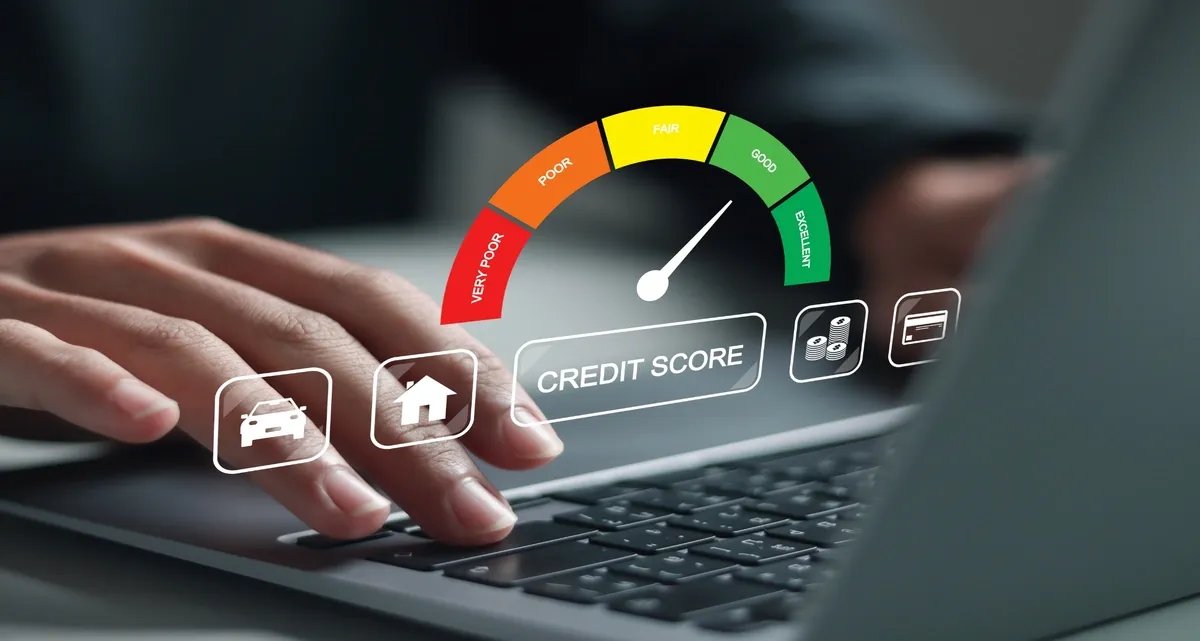
Dussehra 2026: How to Win Your Financial Battles with Smart Saving
Disclaimer: This blog is generic in nature. Ujjivan SFB does not provide or offer any financial products or services.
September 16, 2025

Dussehra is remembered as a victory of what’s steady and principled over what’s chaotic and impulsive. In everyday life, that message lands in a very simple place. Discipline wins in the long run. That is why Dussehra is traditionally seen as a reset point and pushes people into planning mode. There are purchases, travel, family commitments, gifts, and social events, meaning your money gets tested in real time.






That’s exactly why it’s a good time to start a saving habit. If you can bring structure during a high-spend season, you can carry that structure into calmer months too. The smartest use of that mindset is not just buying something new—it is building a system.
Why Is Dussehra a Powerful Moment to Start Saving Seriously?
Some financial habits do not fail because people lack discipline. They fail because they start at the wrong time. Random resolutions made on a random Monday rarely survive real life. Dussehra, on the other hand, is built into Indian culture as a reset point. A festival that celebrates closure, clarity, and the confidence to begin again. That cultural framing matters, because saving money is not just a math decision—it is a behaviour decision, repeated month after month.
This is why Dussehra can be one of the most practical festive seasons to strengthen savings. When you treat Dussehra like a financial clean start, the habits become easier to form—and easier to keep.
When Is Dussehra in 2026, and What Are the Key Dates You Should Know?
Dussehra (Vijayadashami) comes after the nine days of Sharad Navratri and marks the symbolic victory of good over evil.
Below is the festival calendar for Dussehra and Durga Puja 2026. Dates may vary slightly by region due to tithi and local customs, especially for immersion and concluding rituals.
| Occasion | Date (2026) | Day | Notes |
| Mahalaya Amavasya | 10 Oct 2026 | Saturday | Marks the beginning of Devi Paksha in many traditions |
| Shashthi | 16 Oct 2026 | Friday | Formal start of Durga Puja rituals |
| Saptami | 17 Oct 2026 | Saturday | Main puja celebrations intensify |
| Ashtami | 19 Oct 2026 | Monday | One of the most significant days of Durga Puja |
| Navami | 20 Oct 2026 | Tuesday | Culmination of Durga Puja rituals |
| Vijayadashami / Dussehra | 20 Oct 2026 | Tuesday | Widely observed as Dussehra across India |
How Do People Celebrate Dussehra?
Is Dussehra a Public Holiday?
Yes. Dussehra 2026 (October 20) is a gazetted holiday across India. Banks, schools, and government offices remain closed, though the length of holidays varies by region. In states like West Bengal, Durga Puja adds several consecutive holidays.
Why Dussehra is the Perfect Time for New Financial Beginnings?
Dussehra is not just about burning Ravana effigies; it’s about renewal and victory. Many of us consider it an auspicious time to buy property, gold, or vehicles. Why not also make it the day you conquer financial uncertainty?
Conquer Financial Demons: The 10 Heads of Ravana
Each of Ravana’s ten heads can represent a financial mistake you can conquer this Vijayadashami:
1. Impulse buying: Solution - Budgeting & 48-hour rule
Making a budget keeps your spending planned, while the 48-hour rule helps you avoid impulsive purchases by giving yourself time to think before buying.
What is the 48-hour rule? It’s a smart way to control impulse spending. If you see something you want to buy, especially non-essentials, wait 48 hours before purchasing. Most of the time the urge fades, saving you money for things that really matter.
2. No Emergency Fund: Solution – Use Recurring Deposit or Savings Account
Every month, keep the extra cash aside to build an emergency fund. You can open a high-interest Savings Account or a Recurring Deposit to set up an emergency fund to battle unforeseen circumstances like medical emergencies.
3. High-Interest Debt: Solution - Craft a Solid Repayment plan
List all your loans and pay off the ones with the highest interest first (like credit cards). A structured repayment plan saves money and reduces stress.
4. Idle Cash: Solution - FD Ladder
Instead of leaving money idle, split it into multiple Fixed Deposits with different maturity dates. This way, you earn interest while still having periodic access to funds. If you have a business, consider opting for Business Maxima Current Account. Any surplus cash above ₹4 lakh would be moved to an FD, so your idle cash keeps earning interest.
5. Ignoring Goals: Solution: Start Goal-based Saving
Define specific goals (holiday, education, home). Allocate money separately for each — either in Savings Accounts, FDs or any other investment instruments so your savings stay on track.
6. Paying Late Fees: Solution - Autopay Setup
Avoid unnecessary charges by enabling autopay for utilities, EMIs, and credit cards. Payments are deducted automatically, ensuring you never miss a due date.
7. Tax Surprises: Solution - Advance declaration & Form 15G/15H
Plan taxes in advance and submit Form 15G/15H (if eligible) to avoid excess TDS on interest. Proactive tax planning prevents shocks at year-end.
8. No insurance → Health/term plan review
Review your insurance needs regularly. Adequate health and life cover protect your family’s finances in emergencies, preventing you from dipping into savings.
9. Risk concentration → Diversify across banks (DICGC ₹5 lakh cover)
Diversify your portfolio. Invest in FDs, PPF (Public Provident Fund), NPS and other Government savings schemes, open an RD for emergency fund, etc. Basically, keep your portfolio diversified.
10. Living pay-cheque to pay-cheque → Start FD/Recurring Deposit
Break the cycle by committing to a Recurring Deposit or invest in multiple FDs spread across tenures. This builds savings discipline and ensures you always set money aside.
Disclaimer: The above example is for illustration purposes only.
Navratri to Vijayadashami: 9 Days, 9 Money Lessons
Each Navratri day can inspire a financial virtue:
| Day 1 | Open your Savings Account |
| Day 2 | Enable standing instructions |
| Day 3 | Start building your emergency fund |
| Day 4 | Set financial goals |
| Day 5 | Start managing your debt effectively |
| Day 6 | Update nominees for your accounts |
| Day 7 | Mitigate unnecessary expenses |
| Day 8 | Keep a tab on your credit score, review credit statements |
| Day 9 | Start diversifying your portfolio |
And finally, Vijayadashami – consider the above checklist and try to follow it diligently.
Smart FD Tactics This Dussehra
Final Thoughts
Dussehra 2026 is not only a celebration of victory, it’s also a reminder to slay the financial habits that hold us back. As you exchange gifts, visit pandals, and enjoy the festivities, take a step towards financial freedom too.
Whether it’s opening a Savings Account for liquidity or starting a Fixed Deposit for disciplined growth, make this Vijayadashami the turning point in your financial journey.
After all, the true victory is not just over Ravana — but over debt, wasteful spending, and financial stress.
Disclaimer:
The contents herein are only for informational purposes and generic in nature. The content does not amount to an offer, invitation or solicitation of any kind to buy or sell, and are not intended to create any legal rights or obligations. This information is subject to updation, completion, amendment and verification without notice. The contents herein are also subject to other product-specific terms and conditions, as well as any applicable third-party terms and conditions, for which Ujjivan Small Finance Bank assumes no responsibility or liability.
Nothing contained herein is intended to constitute financial, investment, legal, tax, or any other professional advice or opinion. Please obtain professional advice before making investment or any other decisions. Any investment decisions that may be made by the you shall be at your own sole discretion, independent analysis and evaluation of the risks involved. The use of any information set out in this document is entirely at the user’s own risk. Ujjivan Small Finance Bank Limited makes no representation or warranty, express or implied, as to the accuracy and completeness for any information herein. The Bank disclaims any and all liability for any loss or damage (direct, indirect, consequential, or otherwise) incurred by you due to use of or due to investment, product application decisions made by you on the basis of the contents herein. While the information is prepared in good faith from sources deemed reliable (including public sources), the Bank disclaims any liability with respect to accuracy of information or any error or omission or any loss or damage incurred by anyone in reliance on the contents herein, in any manner whatsoever.
To know more about Ujjivan Small Finance Bank Products Visit:"https://www.ujjivansfb.bank.in"
All intellectual property rights, including copyrights, trademarks, and other proprietary rights, pertaining to the content and materials displayed herein, belong
to Ujjivan Small Finance Bank Limited or its licensors. Unauthorised use or misuse of any intellectual property, or other content displayed herein is strictly prohibited and the same is not intended for distribution to, or use by, any person in any jurisdiction where such distribution or use would (by reason of that person’s nationality, residence or otherwise) be contrary to law or registration or would subject Ujjivan Small Finance Bank Limited or its affiliates to any licensing or registration requirements.