Which Savings Bank Account is Best for Freelancers?
Disclaimer: This article is for general information/education and is not investment advice. The information is shared in good faith and for general informational purposes only. Ujjivan SFB does not make any representations or warranties regarding the accuracy, completeness, or reliability of the content.
April 22, 2026

Freelancers often manage irregular income, multiple payment sources, and self-directed financial planning. Their banking needs usually differ from those of salaried individuals. A savings bank account is not just a place to hold money, but a practical tool for managing cash flow, receiving payments, and handling routine expenses.







There is no particular savings bank account that is best for every freelancer. The right choice depends on income pattern, transaction frequency, digital banking needs, and account maintenance costs
Why Do Freelancers Need a Different Type of Savings Account?
Freelancers do not always receive income on a fixed monthly date. Payments may come in different amounts and from multiple clients. This makes flexibility in a savings account more important.
A freelancer may need:
This is why the most suitable savings account for freelancers is usually the one that supports flexibility and everyday usability, rather than one chosen on interest rate alone.
What Features Should Freelancers Look for in a Savings Account?
1. Low Minimum Balance
A high minimum balance requirement may not be practical when income is inconsistent. An account with a low balance requirement may be easier to manage during months when inflows are delayed or uneven.
2. Cost of Maintaining the Account
Small banking charges add up over time and reduce your overall savings. Check for account maintenance fees, debit card charges, ATM withdrawal limits, cheque book charges and transfer costs.
3. Digital Banking Access
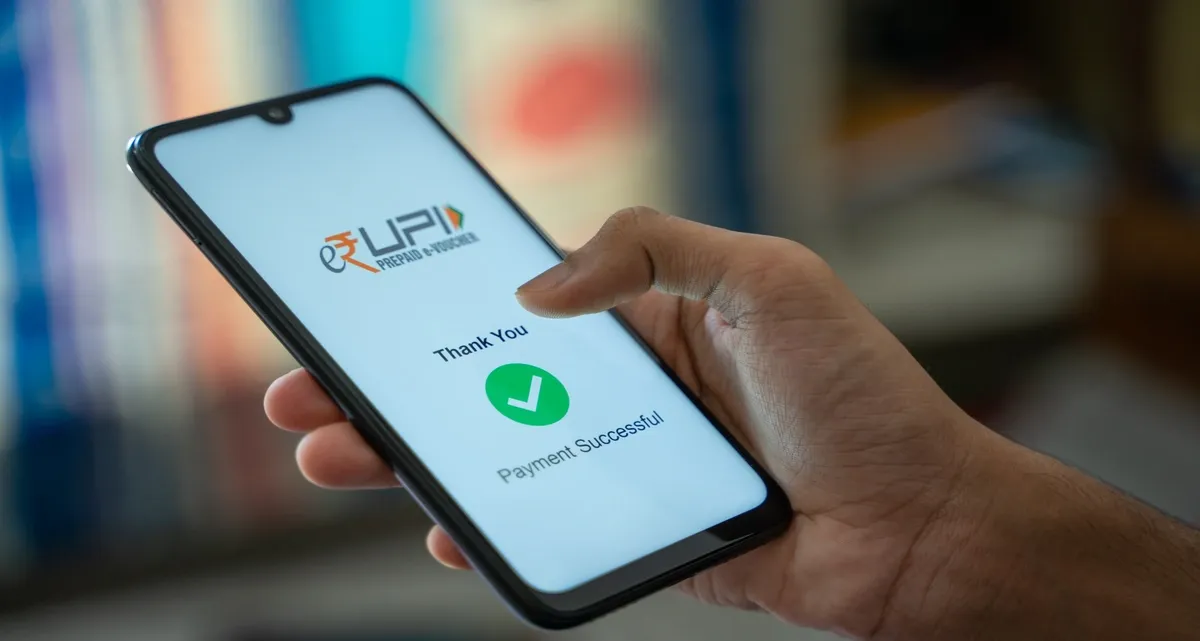
Freelancers work remotely, so digital convenience matters. Look for easy net banking, mobile app access, UPI and instant payment options. Ujjivan SFB offers digital banking services through its mobile app and internet banking to support day-to-day transactions.
4. Transaction Convenience
Freelancers receive multiple payments each month and pay vendors, subscriptions and personal expenses from the same account. A suitable account should make routine transactions simple and reliable. If there are bulk transactions involved, opening a Digital Current Account may help to manage day-to-day transactions.
5. Interest Rate
The savings account interest rate becomes relevant when idle balances remain in the account for some time. Since freelancer income can be irregular, even modest returns can contribute to overall earnings, making a higher interest rate an added benefit. Ujjivan SFB Savings Account offers higher interest rate with added benefits and perks. You can check the latest interest rates here.
Is a Savings Account Enough for Freelancers?
A savings account may be enough for freelancers who have a moderate transaction volume or who want to manage both receiving payments and expenses through the same account.
At the same time, freelancers with growing work volume may find it useful to separate personal and professional flows. In such cases, they can consider:
Another viable alternative would be opening an EEFC Account (Exchange Earners Foreign Currency) for individuals earning in foreign currency. It’s a non-interest bearing account that allows you to retain 100% of your foreign currency earnings without the need for immediate conversion to Indian rupees. EEFC Accounts are designed to manage currency fluctuation risk.
Final Thoughts
For freelancers, the best savings bank account is usually the one that supports flexibility, digital convenience, and manageable banking costs. Since freelance income patterns are often uneven, the account should be easy to maintain and practical to use across different months and payment cycles.
There may not be one account that fits every freelancer equally well. The better approach is to choose an account based on cash-flow pattern, transaction needs, and the level of financial separation required between personal and professional use.
Disclaimer:
The contents herein are only for informational purposes and generic in nature. The content does not amount to an offer, invitation or solicitation of any kind to buy or sell, and are not intended to create any legal rights or obligations. This information is subject to updation, completion, amendment and verification without notice. The contents herein are also subject to other product-specific terms and conditions, as well as any applicable third-party terms and conditions, for which Ujjivan Small Finance Bank assumes no responsibility or liability.
Nothing contained herein is intended to constitute financial, investment, legal, tax, or any other professional advice or opinion. Please obtain professional advice before making investment or any other decisions. Any investment decisions that may be made by the you shall be at your own sole discretion, independent analysis and evaluation of the risks involved. The use of any information set out in this document is entirely at the user’s own risk. Ujjivan Small Finance Bank Limited makes no representation or warranty, express or implied, as to the accuracy and completeness for any information herein. The Bank disclaims any and all liability for any loss or damage (direct, indirect, consequential, or otherwise) incurred by you due to use of or due to investment, product application decisions made by you on the basis of the contents herein. While the information is prepared in good faith from sources deemed reliable (including public sources), the Bank disclaims any liability with respect to accuracy of information or any error or omission or any loss or damage incurred by anyone in reliance on the contents herein, in any manner whatsoever.
To know more about Ujjivan Small Finance Bank Products Visit:"https://www.ujjivansfb.bank.in"
All intellectual property rights, including copyrights, trademarks, and other proprietary rights, pertaining to the content and materials displayed herein, belong
to Ujjivan Small Finance Bank Limited or its licensors. Unauthorised use or misuse of any intellectual property, or other content displayed herein is strictly prohibited and the same is not intended for distribution to, or use by, any person in any jurisdiction where such distribution or use would (by reason of that person’s nationality, residence or otherwise) be contrary to law or registration or would subject Ujjivan Small Finance Bank Limited or its affiliates to any licensing or registration requirements.